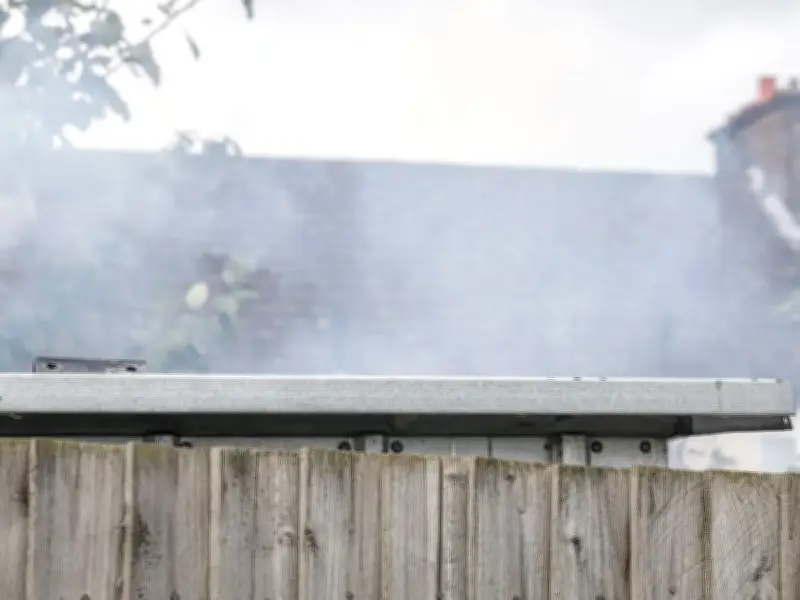
An estate agent has outlined what homeowners should do if a neighbour is smoking cannabis while they are trying to sell their property. The guidance follows a question from a viewer concerned about a potential sale.
Changes to the law in recent years have left some people confused over the status of cannabis, but it remains a class B drug and possession can result in five years in prison.
While some people are happy to 'live and let live', if a neighbour is regularly using cannabis and the smell drifts across to a resident's house and garden, they may be wondering what can be done about it.
Disclosure rules for sellers
The viewer said: "My neighbour smokes weed and my buyers don't know about our dispute. I had a cannabis-smoking neighbour who has been moved on by the housing association after two years of issues. There is still an outstanding final adjudication from the housing ombudsman on the housing association's handling of the case. I'm looking to sell - do I have to inform the new buyers of the ongoing housing ombudsman case?"
David Cooper, director at Redbrik estate agents, replied: "Whether this needs to be disclosed depends on the circumstances. If the seller has previously reported the matter as a formal neighbour dispute, it may need to be declared.
"However, if the dispute has been resolved, there is generally no legal obligation to disclose it. In this case, the housing ombudsman has not yet reached a final decision, which suggests the matter is still ongoing.
"If there is still the possibility that the neighbour could return or the complaint remains unresolved, we'd always recommend being transparent, which is often the safest approach when there is any uncertainty.
"Ultimately, if there is no ongoing dispute, disclosure is usually at the seller's discretion."
Legal status and police approach
A lawyer said cannabis is still banned under the Misuse of Drugs Act 1971 - although new rules in 2018 mean it can be prescribed by specialist doctors. Even then, the drug cannot be smoked if it is for medicinal use.
She added: "While you might not usually be bothered by what your neighbours get up to behind closed doors, the truth is cannabis odours can be pungent, and dangerous if you have young children that play in the garden. The smell of weed may also put off potential buyers from putting down an offer on your house.
"If a neighbour is smoking drugs in their garden or elsewhere at home, this is against the law... Some people believe an urban myth that says you are allowed to smoke cannabis in the UK as long as it is on private property. Like many myths, this simply isn't true."
If the resident involves the police, the neighbour could be fined. She said: "Typically, the police will issue on-the-spot fines for cannabis possession, usually £90, they also have the discretion to issue a warning and being caught with cannabis can trigger a maximum of five years in prison."
Police have previously confirmed that many forces do not target the personal use of cannabis, with a significant drop in recorded possession offences. But they say they 'will not tolerate cannabis being smoked in front of vulnerable people, such as children, or near schools and colleges'.
Police continue to crack down on the drug's commercial production and cannabis factories. Forces say they are happy for people to continue reporting illegal activity to them, with information remaining anonymous, or you can call Crimestoppers on 0800 555111.
Anyone looking to supply the class B drug can face up to 14 years in prison, an unlimited fine or both.
Landlord and council powers
If you don't want to involve the police, and your neighbour is renting, you can tell their landlord. If the tenancy agreement has been drawn up properly, they'll be in breach of it.
A spokesman for the National Landlords Association said that, if landlords suspect cannabis use, they should "arrange for a visit to the property, provided they have given the tenant advance warning".
He said: "If they see or smell what they believe to be evidence of cannabis use, they should remind and warn the tenant/s that such actions are in violation of the tenancy agreement."
Chris Norris, of the National Landlords Association, said: "While we recommend taking references of prospective tenants from former employers or landlords before offering a tenancy, it can also be necessary to make checks on the property after they have moved in. These should be carried out quarterly if there are any concerns but make sure that you give the tenant or tenants sufficient notice beforehand so as not to disrupt privacy.
"Lastly, get to know the neighbours and local residents, as they can help alert you should they either see or smell what they suspect to be cannabis use on the property."
Councils can investigate smoke coming from premises that is classed as a statutory nuisance, outlined in the Environmental Protection Act 1990. Smoke can be classed as a statutory nuisance if it unreasonably and substantially interferes with the use or enjoyment of a home or other premises and is injurious to health or is likely to injure health.
The lawyer said: "There is no strict definition of what constitutes a nuisance, however, if you can prove either point above you may be able to get help from the council. In all likelihood, they would report the issue to the police as smoking marijuana is illegal and an abatement notice which orders the person responsible to stop the smoke does not deal with the unlawful practice of smoking weed."