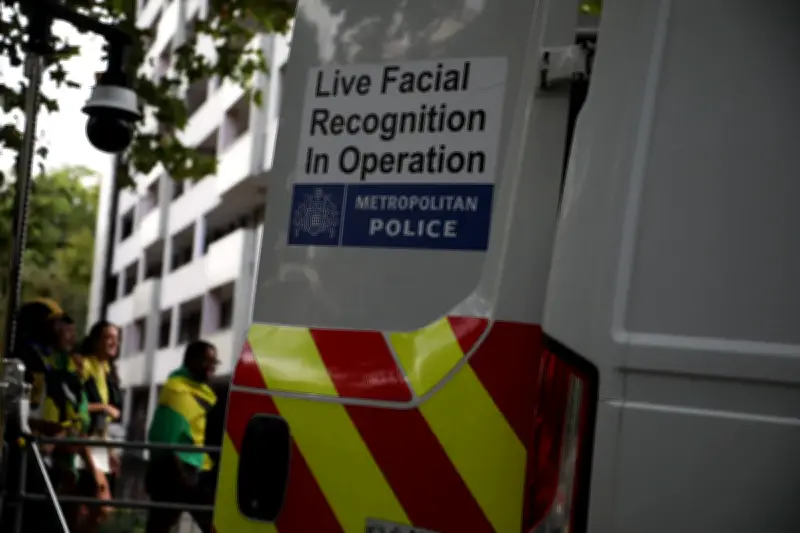
The Metropolitan Police has begun a six-month pilot that lets officers photograph suspects without their consent and use facial recognition technology to identify them. The trial, which started on November 17, involves around 100 officers in London using a new app to check faces against a database of approximately one million custody images.
How the pilot works
Officers can use the technology to identify suspected offenders or people they believe may be at risk. Scotland Yard said officers must tell people before taking their photo but do not need their permission. The app is available on Met-issued phones, and officers upload the image to search against custody records.
Commander Nick John told the Press Association that the app would help officers identify people faster. He said: “If a person is not willing or able to confirm their identification, or we believe they might not be telling the truth, then the officer can take a photo on their Met-issued phone, take that photo, upload it into the app, and then the app will search against our custody images.”
Officers uploaded 15 photos in the pilot’s first 24 hours, which Mr John said was “more than I was expecting”. He stressed: “We are not going to be going around London taking photos of people from a distance who aren’t suspected of being involved in any offending.”
Safeguards and limitations
Scotland Yard said officers will not use force if someone covers their face, and the pilot will not be used on under-18s. The wider programme will exclude under-13s. The pilot comes weeks after the Government promised tougher protections to ensure police use of facial recognition technology is “fair, safe and proportionate”. Ministers also announced plans for a new watchdog to oversee the technology, with powers potentially including banning forces from using it if they fail to meet standards.
Criticism from civil liberties groups
Critics said the technology could disproportionately affect ethnic minorities and raised concerns about racial bias and increased police surveillance. Liberty director Akiko Hart warned the Met is putting “powerful surveillance technology in officers’ pockets”. She said: “Operator-Initiated Facial Recognition combines all of the problems of stop-and-search with those of facial recognition. There is already evidence that these devices are being used disproportionately against marginalised communities.”
Habib Kadiri, executive director of StopWatch UK, said: “We’ve seen no evidence that enough has been done to mitigate inherent racial bias in any form of facial recognition technology so far, and we suspect that ethnic minorities will not feel safer knowing that an operator who represents an organisation known to be institutionally racist will be tasked with the responsible use of it.”