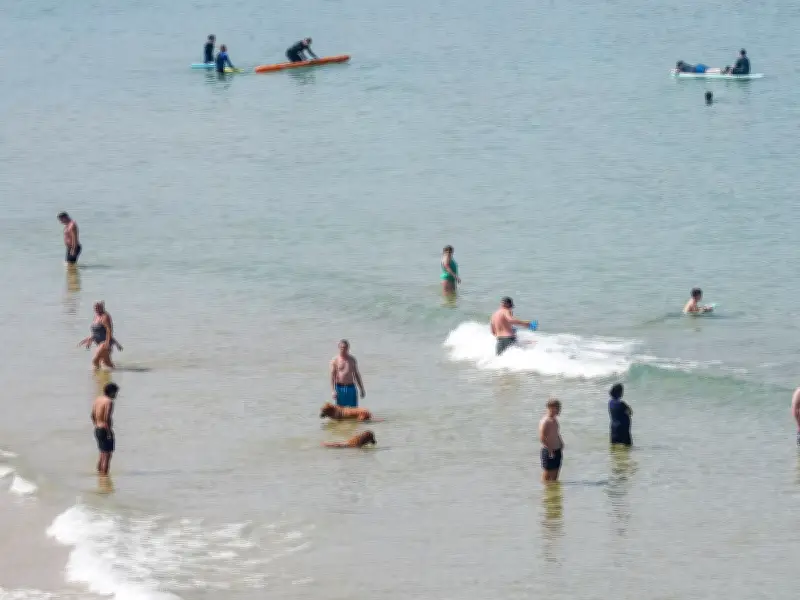
First Water-Related Death of UK Heatwave
A 50-year-old man has died after entering the water at Aberavon Beach in South Wales on Wednesday afternoon, 24 June, marking the first recorded water-related death of the current UK heatwave. Emergency services, including the Coastguard, an air ambulance, and paramedics, attended the scene but were unable to save him.
Details of the Incident
South Wales Police reported that officers were called to Aberavon Beach at around 4:25pm following a report of a man requiring medical assistance after entering the water. The Coastguard commenced CPR until the arrival of the air ambulance and paramedics. Despite their best efforts, the man—a 50-year-old from Cilfrew, Neath Port Talbot—was pronounced dead at the scene at 4:50pm. His next of kin has been informed, and the death is not being treated as suspicious.
Emergency Response
A Welsh Ambulance Service spokesperson stated: "We were called at approximately 4:07pm to reports of a medical emergency on Aberavon beach. We sent two Cymru High Acuity Response Units, one emergency ambulance, a hazardous area response team, and an operations manager to the scene. Advanced critical care support was delivered by the Emergency Medical Retrieval and Transfer Service in a Wales Air Ambulance charity helicopter."
Heatwave Impact on Wales and UK
Wales is particularly affected by the heatwave, with temperatures potentially reaching 36°C. In May's heatwave, 19 people tragically died in drowning incidents across the UK, the youngest being 11 years old. The UK is not alone in experiencing extreme temperatures; France has seen highs exceeding 42°C, with 40 drowning deaths reported since Thursday.
Cold Water Shock Warning
Amid the heatwave, the Met Office advises that sea-surface temperatures remain lower than in mid-summer. Samantha Hughes, National Water Safety Partner at the RNLI, warned: "With warmer weather approaching, it's important to remember that the water is still cold. Entering it unexpectedly can lead to cold water shock, causing a sudden increase in breathing and heart rate, which may trigger panic." She urged people to "Float to Live" if struggling: tilt the head back so ears are submerged, relax, and control breathing. The RNLI recommends always choosing a lifeguarded beach and swimming between red and yellow flags. In a coastal emergency, call 999 for the coastguard.
Safety Tips
The Met Office recommends three ways to stay safer: check the water temperature (seas and rivers are cold enough to cause cold water shock at 15°C or lower), wear a wetsuit if spending time in the water, and wear a life jacket or swimming buoy to increase chances if experiencing cold water shock.