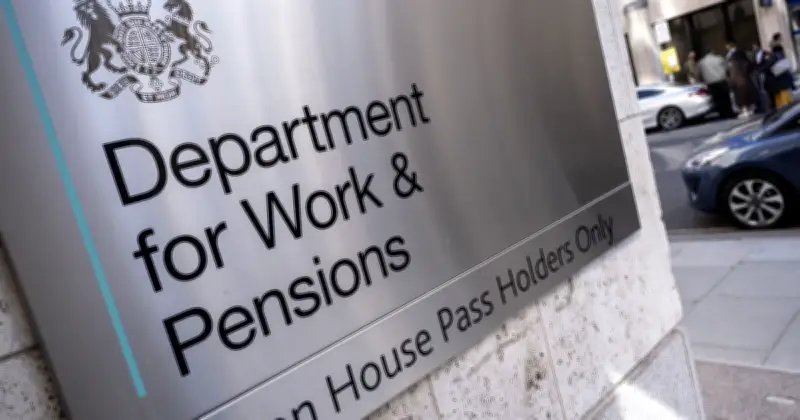
The Department for Work and Pensions (DWP) has confirmed when investigators may speak to a benefit claimant's neighbours during a fraud investigation. The clarification came in response to a Freedom of Information (FOI) request, which also asked whether neighbours could ever be asked to secretly film someone suspected of falsely claiming benefits.
DWP's Response on Neighbour Involvement
The FOI response makes clear that neighbours are not routinely contacted as part of an investigation. It states: "During a DWP investigation we would not routinely seek information from a neighbour. There may be exceptional circumstances where they may provide a witness statement as investigators are required by law to pursue all reasonable lines of enquiry whether these point towards or away from a suspect."
The department also explained that the purpose of a criminal investigation is to gather evidence that can either prove or disprove whether an offence has been committed against the state or a local authority, and to identify the person responsible.

No Neighbour Video Surveillance
The DWP was also asked whether neighbours could ever be asked to carry out video surveillance on someone under investigation. Its response was clear: "This would not happen." The department added: "DWP carry out their own surveillance following strict guidelines laid down within the Regulation of Investigatory Powers Act 2000."
Background on Benefit Fraud
The DWP pays State Pension and other benefits to around 22.7 million people across Great Britain. Its latest Fraud and Error in the Benefit System report found benefit overpayments reached £9.7 billion last year, up from £8.3 billion the year before. Benefit fraud can take many forms. It may involve someone claiming benefits while working, or failing to tell the DWP about changes that could affect what they are entitled to receive. That could include moving in with a partner, changing address or inheriting money after the death of a relative. Failing to report these changes can be treated as benefit fraud.
What Happens During a DWP Fraud Investigation?
If the DWP decides to open a formal fraud investigation, you will usually be contacted by letter, although you may also be notified by phone or email. You may be told that a Fraud Investigation Officer (FIO) will visit you, or you could be invited to attend an interview. In some cases, the department will first assess information it has received before launching a full investigation. This is because many allegations turn out to be unfounded.
Once investigators believe there is enough evidence to justify looking into a case, a formal investigation can begin. Investigators have a range of powers to gather evidence. For example, if someone is claiming unemployment-related benefits but is suspected of working, investigators may speak to an employer to establish why that person was at the workplace, what they were doing and whether they were being paid. Investigators may also look at publicly available social media activity. Photos, location tags and other online posts can help build a picture of someone's day-to-day life. If that information appears to conflict with details given in a benefit claim, it could form part of the evidence considered during an investigation.