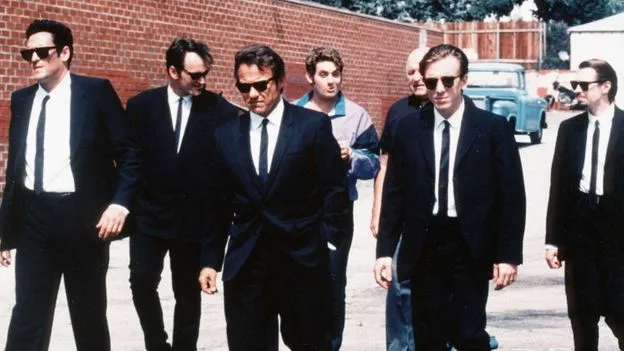
When Quentin Tarantino's debut film Reservoir Dogs premiered 25 years ago at the Sundance Film Festival, it was a low-budget indie movie about men arguing in a warehouse, with no big stars and an unknown writer-director. Yet it had the impact of a blockbuster, sparking debates about its non-linear chronology, sharp dialogue, 1970s soundtrack, and most of all, its supposedly excessive violence. After Wes Craven walked out of a screening in disgust, the film became synonymous with cinematic gore.
However, a closer look reveals that Reservoir Dogs is hardly a violent film minute by minute; it features far more talking than ear-lopping. Tarantino himself told Rolling Stone that nine out of 10 action-adventure films are more graphic. When Mr Blonde slices a policeman's ear, the camera tilts away, leaving viewers to imagine the brutality, much like in Hitchcock's Psycho.
More importantly, the film is deeply moral. Unlike typical heist movies where criminals get away, Reservoir Dogs shows that crime does not pay. The cockiest crooks are revealed as cowardly bunglers, and anyone who kills ends up dead themselves. The opening scene tricks viewers into expecting a cool heist, but immediately subverts this by showing the bloody aftermath of a botched job, establishing the characters as losers.

The film's anti-heroes are far from glamorous: Mr Blonde is unstable, Mr Orange whimpers in fear after being shot, and Mr White is easily fooled by an undercover cop. The most competent character is the whiny Mr Pink, who keeps hold of the diamonds and suspects a rat. Ultimately, Reservoir Dogs is a cautionary tale about the consequences of violence and crime.