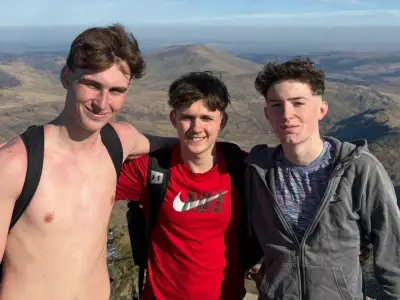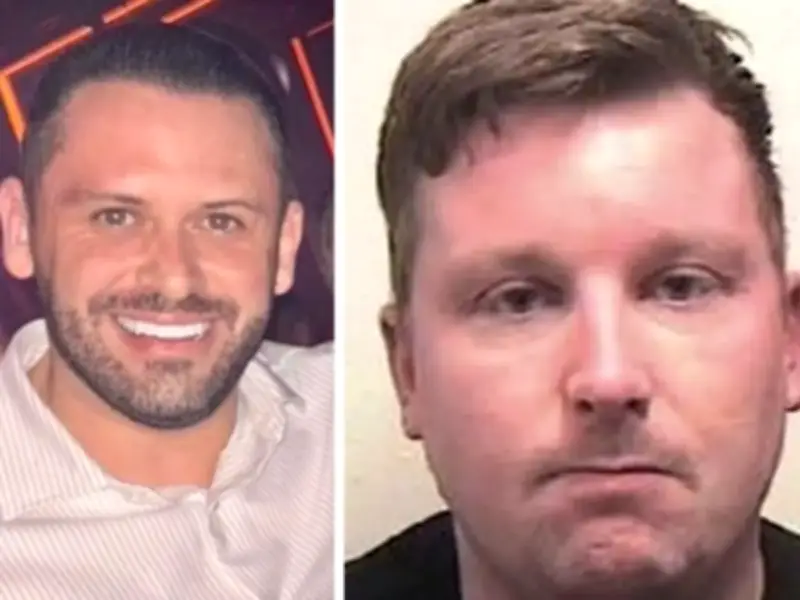
A dispute over a £500,000 consignment of cocaine allegedly paid for with fake money set two former promising athletes on a collision course, unleashing a wave of violence across Scotland's streets. Ross McGill, once a sprinter for Scotland, and Mark Richardson, a former Hibs youth footballer, became deadly enemies, with their feud leading to firebombings and dozens of arrests.
From athletics to organised crime
McGill, from East Kilbride, was a promising sprinter with Kilbarchan Harriers and was selected for the Scottish Athletics training group coached by Olympian Brian Whittle. At 18, he represented his country in the Celtic games in Antrim in August 2011, finishing second in the 100 metres with a personal best of just over 11 seconds.
In his late teens, he left athletics behind and joined the Rangers fans group, the Union Bears, becoming its leader, or Capo, by 2021. He was photographed with Rangers captain James Tavernier and manager Steven Gerrard. In September 2021, he resigned unexpectedly and disappeared from view.

The feud and the violence
In March last year, a hairdressing and beauty salon linked to Richardson in Leith, Edinburgh, was set on fire. This sparked a series of firebombings of homes and commercial properties in Edinburgh and Glasgow. The violence was linked to a long-running feud between the Daniel and Lyons crime families, with Richardson allied to the Daniels and McGill associated with the Lyons. It was alleged that Richardson's crew paid for the drugs with fake notes, duping McGill.
McGill, now believed to be in Dubai, was said to be orchestrating the reprisal attacks through a group called Tamo Junto. He had been on a police watch list for several years over alleged drug dealing and serious organised crime. He fled the UK after French police cracked the EncroChat encrypted phone network, first to Malaga, then Dubai.
The rivals' backgrounds
Richardson, a reputed footballer who played in the same Hibs youth team as Scott Brown, first came to attention in 2007 when he and his father were caught dealing cocaine. He was jailed for 32 months, then in 2010 received a 10-year sentence for his part in a cocaine and crack cocaine distribution network. He was said to control nearly three-quarters of Edinburgh's cocaine trade and had a criminal empire worth £5 million.
McGill's transformation from athlete to crime figure remains unclear, though his rise was reportedly boosted by gang chiefs Steven Lyons and the late Ross Monaghan. Monaghan was shot dead in Spain in May, and Lyons is in a Spanish prison awaiting trial on money laundering charges.
Police action and aftermath
Police Scotland's Operation Portaledge, investigating the violence, has led to 64 arrests, with several perpetrators given lengthy jail terms. One man was jailed for eight years and four months for a machete attack on an Edinburgh businessman linked to Richardson. Chief Constable Jo Farrell said last month that the violence had ended due to police action and a "resolution of differences" between the rival sides.
McGill was kicked out of Dubai last September, and his whereabouts are unknown. Richardson remains behind bars but is due for release soon. Graeme Pearson, former director general of the Scottish Crime and Drug Enforcement Agency, has urged police not to be complacent. He said: "The reality is that those who have been arrested and those who are still at large continue to do business. It may well be that the severe impact of violence that was witnessed of late has ended but I wouldn't be complacent and I wouldn't hold my breath for the next phase starting. Because it will start."