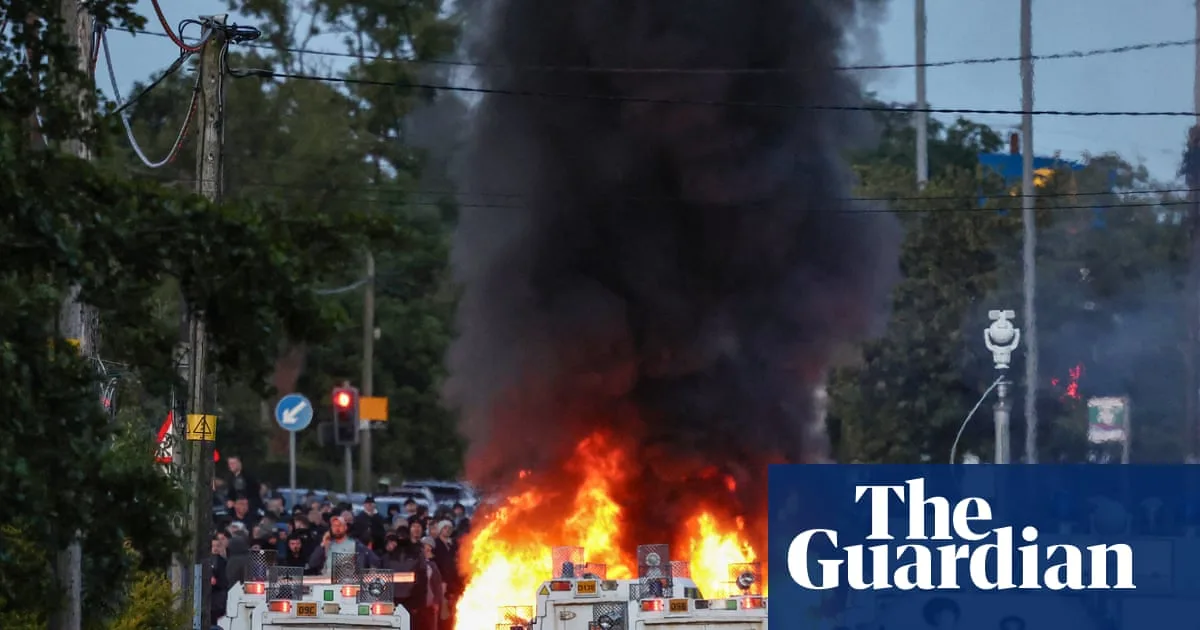
As residents of Glengormley, on the northern edge of Belfast, cleaned up and braced for further violence amid what has been described as a modern-day pogrom, a court in Southampton, on the south coast of England, began dealing with its own outbreak of thuggery. The trigger for the riots in the Northern Irish capital was an image of a black assailant appearing to stab and slash his supine white victim while shouting in Arabic; the suspect was later revealed to be a refugee from Sudan.
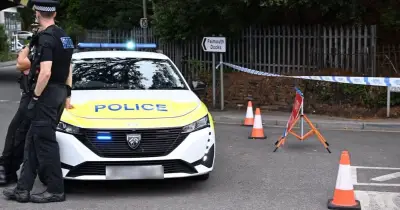
In Southampton, the courts handled the aftermath of separate violent demonstrations. Prosecutor Siobhan Linsley told a hearing that 1,000 people had massed outside the city's central police station on 2 June, after the release of police bodycam footage showing the last moments of Henry Nowak, a white 18-year-old student erroneously arrested and handcuffed over false racism claims while dying from stab wounds inflicted by Vickrum Digwa, a British Sikh. Digwa, 23, who made the false allegations, had just been jailed for murder.
A quarter of those gathered appeared to be drinking alcohol, Linsley said, and masks were worn. One speaker shouted: “Do you want the house, the Digwa house?” Hundreds then moved towards an incorrect address for the Digwa family in St Denys. Protesters threw bricks, chairs and bins at police, with a trapped group of officers “surrounded by a baying mob throwing projectiles”. The disorder lasted about two and a half hours, with police “coming under almost constant assaults”. Demonstrators included members of far-right groups such as the Southampton Patriots, White Vanguard and the Portsmouth branch of the National Rebirth Party.
The court dealt with guilty pleas: Taylor Grundy, 22, who pushed a burning commercial bin at officers and threw a plank of wood, cried throughout and was sentenced to two and a half years. Dillon Crawford, 29, a father of two with another child on the way, received three years for throwing a bin and a metal chair at officers. Crawford had 19 convictions for 33 offences including battery, robbery, burglary and shoplifting; on one occasion he broke a partner’s front teeth and punched her unconscious, then bleached her hair.
For Nigel Farage, leader of Reform UK, the police decisions in Nowak’s murder offered evidence that “the rights and privileges of white people matter less than ethnic minorities”. Regarding the Belfast violence, where homes were burned and women and children forced to flee from masked men shouting “foreigners out”, Farage said the “vast majority are fearful … they want action to make their streets safer”. Critics accused him of stoking division for political ends. An editorial in the Times, headlined “Burning resentment in Belfast fuelled by inaction on immigration”, argued that a “bemused and drifting government has done nothing to tackle the root cause” of the violence, citing illegal immigration as the original seed.