
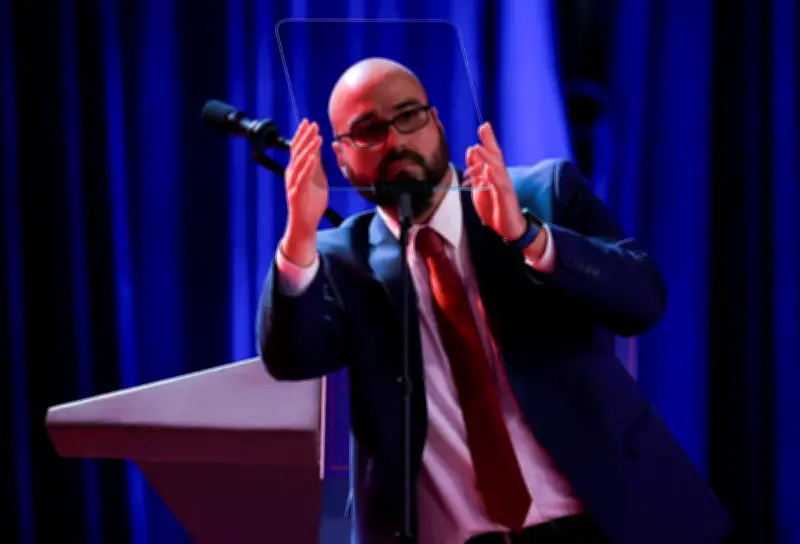
Gabriel Perez, the White House teleprompter operator who reportedly used inside knowledge to place bets on Donald Trump's speeches, is no longer in his position, a White House official said Tuesday. The official, speaking anonymously, stated that Perez "no longer works in the federal government" but declined to say whether he resigned or was fired.
Earlier this month, ABC News reported that Perez had been placed on unpaid leave after winning over $100,000 betting on what Trump would say in major addresses, including the State of the Union. That sum exceeds half of Perez's $175,000 annual salary, according to White House personnel records.
White House Response
Press secretary Karoline Leavitt described the insider trading reports as "deeply unfortunate and, frankly, a disgrace."
Kalshi's Actions
Robert Denault, Kalshi's lawyer and head of enforcement, said on X that the platform's surveillance team "promptly flagged, investigated and referred these trades" to the U.S. Commodity Futures Trading Commission. Kalshi requires users to disclose their employment and prohibits betting based on job-related information.
Growth of Prediction Markets
Prediction markets have surged recently, with Kalshi's trading volume jumping from $100 million last year to $3 billion, according to CNBC. Kalshi recently began allowing bets on drug trial results.
Insider Trading Concerns
Federal prosecutors indicted Gannon Ken Van Dyke in April for allegedly betting on whether former Venezuelan president Nicolás Maduro would be deposed, earning $400,000. The same month, Kalshi fined three political candidates who placed bets on their own races, including Mark Moran's small bet on his Senate run.
Proponents view prediction markets as derivatives, while critics consider them unregulated gambling. Minnesota became the first state to ban them in May, but a federal judge temporarily blocked the law.
Trump has defended prediction markets, arguing states should avoid regulating them and leave oversight to the CFTC.




