Scots shoppers are falling victim on a daily basis to scams operated by organised crime groups, which is said to net them millions of pounds each year. Trade body Retailers Against Crime has released a 'Community Awareness Guide' for the public and shop staff to alert them to the cons being perpetrated by the gangs.
The Stirling-based body has launched a nationwide billboard campaign across the UK to make people aware of the guide and the simple steps they can take to avoid becoming a victim.
Common scams detailed in the guide
The various scams include:
Coin drop – One of the most common, often carried out near ATM machines. This scam involves three people. The first crook drops cash on the ground, the second taps the victim on the shoulder and points to the cash, leading them to believe they have dropped their money. While they are unwittingly picking up the notes or coins, the third thief steals the victim's valuables.
Shoulder surfing at till point – There are normally two or more people involved. The first crook notes the PIN number while looking over the customer's shoulder at the till point and indicates to their accomplice that the PIN number has been memorised. The accomplice then waits for the customer to leave the shop and steals their card. The card is quickly used elsewhere to withdraw cash and purchase items. Always cover your PIN even at till point and be aware of anyone looking over your shoulder.
Pickpocketing, voucher fraud and romance scams
Pickpocketing and purse dipping – This involves stealing valuables such as wallets, phones or keys from pockets or bags. It commonly occurs in crowded or busy places where people are distracted. Thieves will target open bags or valuables left visible. They may use distractions, such as asking questions or creating a sudden commotion, and often work in pairs or groups, taking advantage of close contact and crowds.
Counterfeit vouchers – Although most high street shopping/gift vouchers have changed to plastic cards, counterfeit vouchers are still out there. Ensure you know the security features of vouchers and if you are in any doubt always contact the provider.
Romance scams – They are a growing form of fraud in which criminals create fake online relationships to gain trust and exploit victims financially. Shopkeepers should be aware of customers regularly buying gift vouchers and paying large sums for them and speak with them about the purchases if possible. Gift vouchers are a common way of romance fraudsters duping people out of money after they have just met. Romance scams can affect anyone regardless of age, education or background. Fraudsters fabricate stories involving emergencies, travel issues, medical needs or investment opportunities to justify their requests for money.
ATM fraud and other scams
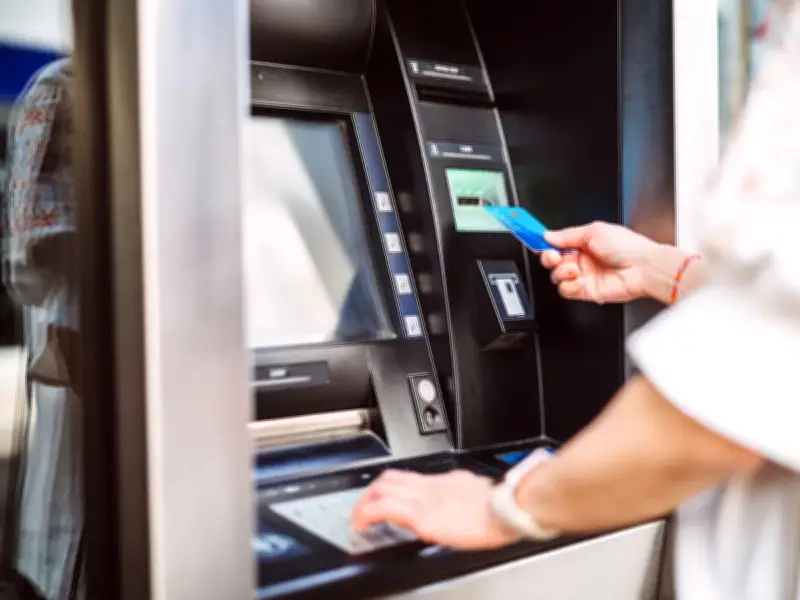
ATM fraud – Criminals use cash machines to take data or even the debit or credit cards themselves to use for fraudulent transactions. This can include:
- Skimming – A device attached to the card slot which reads and stores your information.
- Distraction Techniques – Where a person or persons will try to distract you in an effort to obtain your cash.
- Card Trapping Devices – A device inserted in the card slot which will retain your card and prevent you from retrieving it.
- Hidden Cameras – Pinhole cameras used to obtain your PIN number.
- Cash Trapping Devices – Fitted internally to prevent your cash from being dispensed.
People should check the machine for obvious signs of tampering. Cover your PIN. Make sure that no one is looking over your shoulder. Do not count your money at the ATM. If you are in any doubt – do not use the machine.
Compensation scam – Shop workers should be aware of customers who attempt to claim compensation by deception, such as claiming to have fallen and damaged personal belongings, mobile phone, glasses or clothing.
Impersonation scam – Criminals claim to be something they are not by email, phone or for example in person.
Gift card scam – This involves members of the public being contacted by fraudsters trying to dupe them into paying off non-existent debts, such as a tax bill, with gift cards. Incidents have been reported of victims being scammed out of thousands of pounds at a time.
When attempts are made to purchase high value amounts of any type of gift card, store staff should ask the customers if they are making the purchase to pay someone. People can get more information on the various scams at https://www.retailersagainstcrime.org/news/2026/2/rac-community-awareness-guide-2026/.