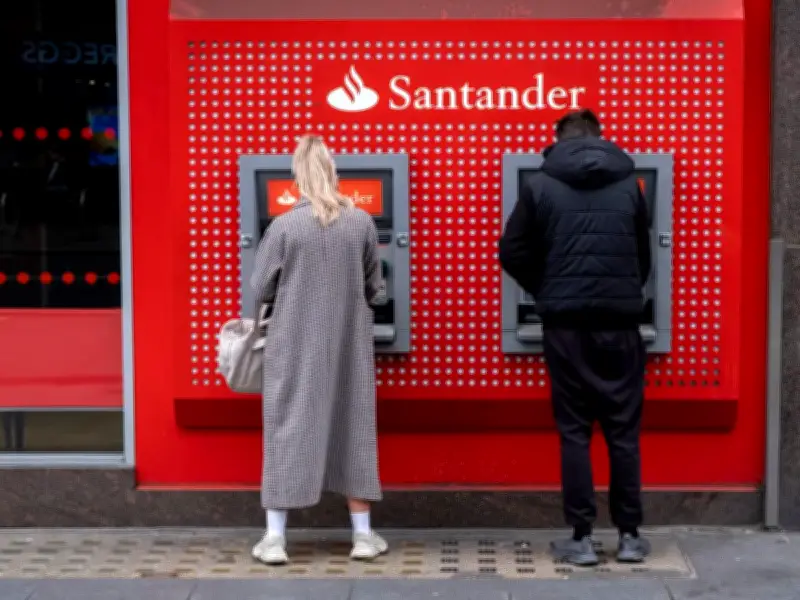
Santander has sent direct emails to customers warning them that fraudsters are currently targeting them, with some scams costing an average of £647. The new alert says people are being taken in by ‘social engineering’ tactics, which attempt to make the victim think it is actually a family member or friend who is in need of money.
The email states: “Fraudsters try to trick you into sharing information or making payments. This is known as social engineering. They often impersonate trusted organisations, friends, or family and create a sense of urgency through phone calls, texts, emails, or social media messages.”
Key warning signs and actions
The bank advised customers on key warning signs and actions:

- Only share your screen with people you trust. If someone contacts you and asks to see your screen, stop and verify who they are using official contact details.
- Never access your bank account or other private information while sharing your screen. Fraudsters can see what you do and may try to trick you into making a payment.
- Never trust caller ID alone. They can make calls, texts, and emails appear to come from real companies or people you know. This is called spoofing.
- Take your time. They often create a sense of urgency to stop you thinking things through.
Average losses by scam type
The bank listed a number of scams in use, with the average loss to the victim:
- Romance Scams: Victims lose an average of £4,500 each.
- Sports Ticket Scams: The average loss sits at £352.
- General Ticket Scams: Average claims amount to £107.
- Beauty and Aesthetics Scams: Victims lose an average of £227 each.
- Facebook Marketplace Scams: Affected customers face an average claim of £647.
- Wider UK Fraud Average: Across general fraud cases reported in the UK, individuals lose an average of over £900.
Taking ‘side hustle’ scams as an example, Santander said earlier this year more than £95,000 was stolen from customers between October and December 2025 by criminals offering money for completing “tasks”. Some scammers promise money in return for liking or sharing social media influencer videos, often offering small payments initially to hook consumers in. People may also be asked to download another messaging app to connect with other “members”, such as a “receptionist” or “mentor”, and to open an account on a crypto platform.
How the scams work
Scam victims are asked to complete tasks that they need to pre-pay to access, using their own money, on the promise of getting a higher return. The criminal will ask the victim to deposit money into an account controlled by a fraudster. They will then be blocked from withdrawing their funds, often by being told their “credit score” is below the threshold to withdraw cash and more money is needed to release it.
People aged 20 to 55 are commonly targeted, and Santander has warned criminals often misrepresent themselves as being from legitimate companies to gain people’s trust. In June the bank said £160,000 has been reported stolen because of “Hi Dad” impersonation scams so far in 2026. Fraudsters target potential victims via messages or an AI-generated phone call, pretending to be their child requesting money or to make a payment.
Santander’s quarterly “scamtracker”, which charts volumes, values and trends in authorised push payment (APP) scams where people are tricked into sending money to criminals, found that men handed over the equivalent of £100,000 to scammers every day during the first six months of the year, with the biggest hitters by value being investment and purchase scams.
Chris Ainsley, head of fraud risk management at Santander UK, said: “As a parent myself, I know how busy life gets – juggling kids, work and a social life – and fraudsters often target people when they know they might not have time to properly consider what they’re being asked to do. Whether it’s an investment opportunity that sounds too good to be true, or a text or phone call out of the blue from your child asking for money, we are urging people to stay alert and stay safe.”