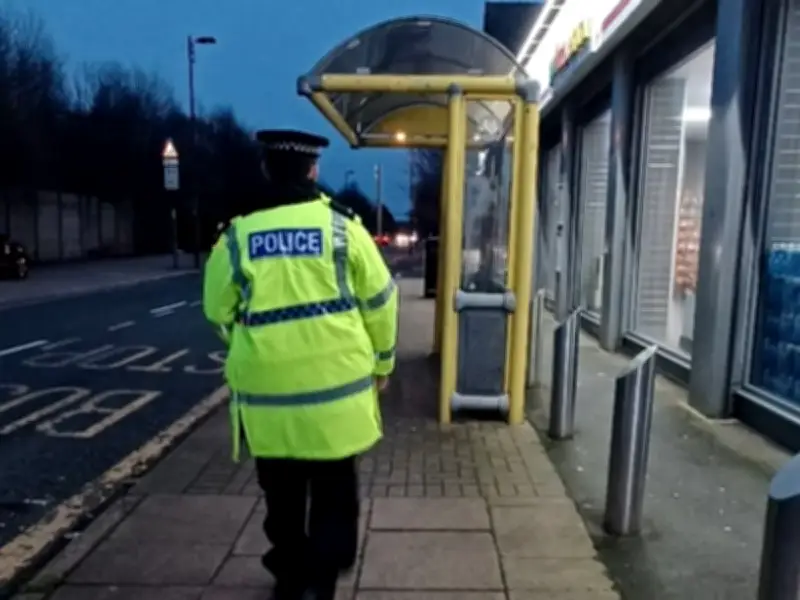
Merseyside Police has issued a warning to thousands of people moving to Liverpool for Freshers Week, urging students to stay alert to fraudsters who may target young people during the first weeks of university life.
Officers from the force's Economic Crime Team and Cybercrime Unit are visiting university campuses, student accommodation sites and Freshers events throughout the welcome period, providing advice and speaking directly with students about the risks they may face.
Officers on campus to advise students
Detective Sergeant John Causton of the Economic Crime Team at Merseyside Police said: "Starting university should be an exciting and positive experience, but unfortunately criminals actively target students at this time of year.
"Fraudsters understand that students are often managing their own finances for the first time and may be dealing with accommodation, employment and university administration all at once. They use this opportunity to create convincing scams designed to steal money, identities and personal information.
"We want students to enjoy everything Liverpool has to offer, but also to take simple steps to protect themselves. Our officers are out across Liverpool in partnership with universities and accommodation providers, speaking directly with students to help them recognise the warning signs of fraud and related crimes."
Five common scams targeting students
Freshers Week is an exciting time for thousands of students arriving in Liverpool, but the force said while students focus on settling into accommodation, making friends and exploring the city, criminals often see the start of the academic year as an opportunity to target young people. Many students, particularly international students, will be living away from home for the first time and can be vulnerable to fraud and cybercrime.
Merseyside Police is highlighting five offences that commonly affect students:
- Online Purchase Fraud - Fake adverts on social media offering tickets, accommodation items, electronics and other sought-after products. Warning signs include unusually low prices, pressure to act quickly and requests to move conversations onto private messaging platforms.
- Recruitment Fraud - Fake employers offer flexible jobs with high earnings for little work, or ask applicants to pay fees for training, equipment or security checks. Genuine employers will not ask candidates to pay money in advance.
- Accommodation Fraud - Criminals advertise fake properties and request deposits before viewings. Students should always view a property, or have someone they trust do so, before parting with money.
- Acting as a Money Mule - Students are approached online or in person and offered quick cash in return for receiving and transferring money through their bank account. Although it may appear harmless, acting as a money mule is linked to criminal activity (money laundering) and can result in bank accounts being closed, damaged credit records and long-term impacts on employment and future financial opportunities.
- Sextortion - Criminals use fake profiles to manipulate victims into sharing intimate images before demanding money or making further threats. Offenders often move conversations from social media onto private messaging services very quickly.
International students targeted too
Detective Sergeant Causton added: "We are also seeing international students targeted through tuition fee discount scams, fake job offers and callers claiming to represent overseas police forces, embassies or government agencies. These criminals often create a sense of urgency and pressure victims into making payments or disclosing personal information.
"Remember the simple message: if it's out of the blue, it's not for you. Stop, think and verify before sending money, sharing information or responding to unexpected requests."
Students are also encouraged to use strong and unique passwords, enable two-step verification, make use of biometric security features where available, keep social media accounts private and avoid engaging with unexpected calls, texts or messages. Using passkeys, strong passwords and two-step verification are among the most effective ways to protect online accounts.
Liverpool John Moores University's Director of Student Life and Wellbeing, Yvonne Turnbull, said: "As students return to Liverpool for the new academic year, we know they want to make the most of our amazing city and experience all that Liverpool has to offer.
"While making the most of student life, it's really important for our students to stay safe, be aware of targeted scams, and protect themselves against them.
"By supporting Merseyside Police's awareness campaign and providing specialist advice through our Student Life and Wellbeing teams, we want to help students stay safe and access support if they ever need it."