
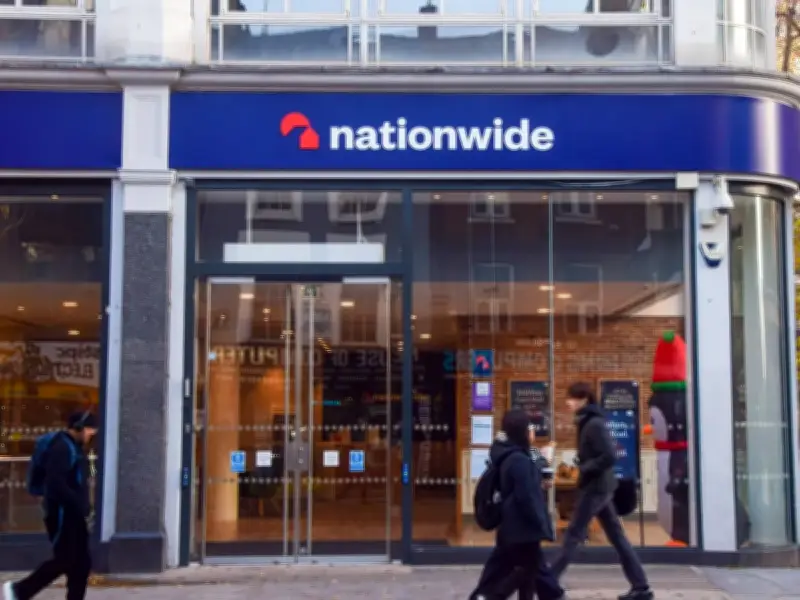
Nationwide customers, particularly those with direct debits, are being urged to remain vigilant following warnings about fraudulent emails circulating in the bank's name.
Scam alerts issued
Consumer group Which? has included the scam in its latest batch of fraud alerts, cautioning members about an email posing as official correspondence from Nationwide. The bogus message informs recipients that a monthly direct debit payment has been established on their account for a dental practice, reports the Express.
"It will tell you to click on a malicious link if you don't recognise the payment," Which? adds. "Which will lead to a dodgy website intent on stealing your details."
Norfolk Trading Standards has also flagged the suspicious email in its most recent consumer alerts, stating: "We are warning residents about emails circulating claiming to be from Nationwide."
How the scam works
The email, which is designed to mimic genuine emails from Nationwide in font and design, claims that 'a new Direct Debit has successfully been set up' before giving details of a payment to a Dental Practice for hundreds of pounds and a 'monthly instalment first payment date' for a couple of days after the email is received.
Customers are being reminded that these emails are entirely unrelated to Nationwide, and are deliberately crafted to alarm recipients into believing substantial sums are about to be withdrawn from their accounts.
Protection advice
Experts recommend treating all unexpected emails with caution, and strongly advise against using any contact details provided, clicking on links, or opening attachments when approached in such a manner. If concerns arise regarding the security of your bank account, contact your bank directly using the Customer Service number found on your card, a recent statement, or via information on their official website or app. Never use contact details provided in an email or during an unsolicited phone call.
Should you receive any dubious emails, these can be reported by forwarding them to report@phishing.gov.uk. Scams can also be reported to us through our partners at the Citizens Advice consumer helpline on freephone 0808 223 1133.
Nationwide says: "We'll never ask you to give us your full one-time code or card reader code, transfer your money to a safe account, log directly into the Internet Bank via a link in an email, text or social media message, or use, re-enable or re-sync your card reader over the phone."
Direct debit scams explained
Nationwide explains: "You'll see an advert or be contacted on social media about making some quick, easy money by claiming back refunds on your direct debits via your bank. The criminals will ask for your personal details, which they'll use to make a direct debit refund request with the bank.
"They'll take a cut of the refund as payment for letting you know about the service. Unfortunately, you'll still owe the money to your service provider because this was a false claim, plus whatever you owe as a result of the scam. You're also left out of pocket from the 'fee' you paid to the criminals."
Verifying genuine contact
The Nationwide website features a dedicated page outlining how customers can protect themselves from scams. It explains: "If you call us or come into branch, we'll ask you about the payment, check the details and tell you if we're worried it's a scam. Unless we told you not to make the payment, we'll give you back every penny if it turns out to be a scam. This is our Scam Protection Promise. Just call us any time on 0800 030 40 57 or come into your local branch."
Payments covered under Nationwide's Promise include: Faster Payments, CHAPS payments, and electronic payments between Nationwide accounts. The Promise does not extend to cash withdrawals, cheques, card payments, or overseas payments through SWIFT and SEPA.
The bank further advises: "You should always listen to your instincts - you know if something doesn't feel right. Stay in control - don't panic and make a decision you'll regret. Be prepared to say no - if you're at all unsure about something you've been asked to do, stop and contact us or the organisation directly."




