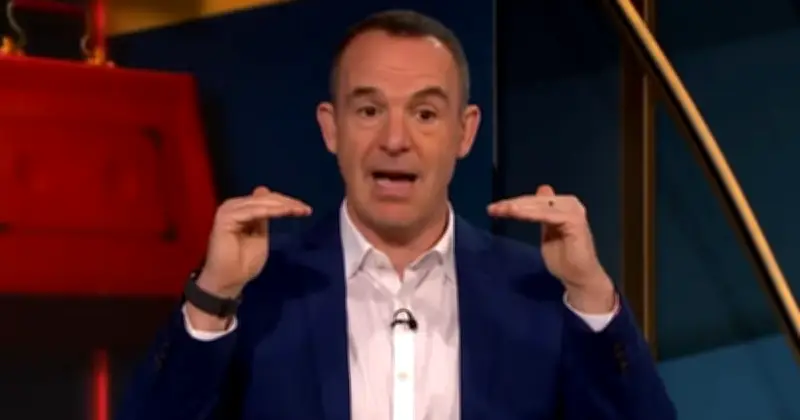
Martin Lewis has urged people with UK bank accounts to remember the three-digit number 159 as a safeguard against fraud. In an Instagram clip, the money-saving expert explained that dialling 159 connects callers to a switchboard that routes them to their bank's legitimate fraud-prevention department.
How the 159 service works
Lewis said: "If you dial 1-5-9 on your phone, you'll be put through to a switchboard. It'll ask you which bank you want to talk to. You tell it, and you will be put through to your bank's legitimate number." He urged people to spread the word because the service offers protection in two ways.
First, a genuine bank employee will have no problem with you hanging up and calling back through 159 for peace of mind. If they protest, it should raise suspicions. Second, scammers can 'spoof the line' to appear genuine even if you called them directly.
Lewis added: "If you dial 1-5-9 and they say 'Hello, it's Martin's bank', you know it's wrong because you should be put through to the switchboard. Protect yourself and remember 1-5-9."
Background and eligible banks
The 159 call service was launched in 2021 by Stop Scams UK and the Global Cyber Alliance to provide consumers with a safe way to contact their banks. When dialled, an automated voice menu asks for the name of the financial provider and securely routes the call to the provider's internal fraud-prevention team.
Most major UK banks are covered, including Bank of Ireland UK, Bank of Scotland, Barclays, Cater Allen Private Bank, Chase, Co-operative Bank, Danske Bank, First Direct, Halifax, HSBC, Lloyds, Metro Bank, Modulr, Monzo, Nationwide Building Society, NatWest, Revolut, Royal Bank of Scotland, Santander, Spring (Spring Savings), Starling Bank, Tide, True Potential, TSB, Ulster Bank, Virgin Money, and Zempler Bank.