Victims of romance scams aged 75 to 84 lost an average of £9,051, according to new analysis by Lloyds Bank. The lender warned Brits to beware such scammers and detailed how they can trick people into parting with their money.
Older age groups most affected
Older age groups account for the largest proportion of total victims, according to Lloyds' analysis. The bank reported 19% of victims were aged 55 to 64 and a further 19% aged 65 to 74.
More than half (55%) of all money lost to romance scams came from victims aged over 65, the analysis shows. Those affected aged 75 to 84 lost an average of £9,051. This is the highest average of any age group and 19% more than the previous year, according to Lloyds.
Despite this, the average loss across all victims of romance scams fell by 20% to £4,078. The figures are based on Lloyds' analysis of romance scams reported by customers between September 1, 2025, and August 31, compared with September 1, 2024, and August 31, 2025.
How scammers operate
Romance scammers build relationships with victims generally online, using false identities and photos to gain the trust of victims. In time, they invent a reason why they urgently need money. Common reasons include medical emergencies, travel costs, living expenses, legal fees, tax payments and customs charges.
Lloyds said: "While most romance scams begin through dating apps, social media or other online platforms, Lloyds has also seen cases where fraudsters first approach victims in person. This shows romance scams aren't limited to the online world and can begin anywhere fraudsters are able to build trust."
Those aged over 50 are more likely to meet scammers on traditional dating websites such as Plenty of Fish and Match.com as well as through Facebook and Instagram, the bank said.
Advice to avoid scams
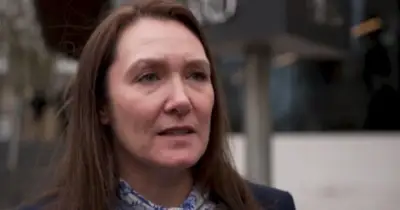
Liz Ziegler, fraud prevention director at Lloyds, said: "Romance scammers don’t care how old someone is. They look for opportunities to build trust, create an emotional connection, then turn that relationship into a request for money. We speak to customers everyday who believed they had found a genuine relationship, only to discover that the person they trusted was only interested in money."
Ms Ziegler added that victims can be left dealing not only with a financial loss, but also the distress of learning that the relationship and future they had imagined were never real. She said: "If someone you've recently met starts asking for money, take a step back and speak to someone you trust. A genuine relationship should never depend on money."
Lloyds' Fraud Prevention Director recommends being suspicious if feelings develop very quickly, never sending money to someone you don't really know, protecting personal and financial information, looking out for red flags, checking whether their story adds up, stepping back from urgency or guilt, and talking to someone you trust.