Emmerdale star Lisa Riley has warned that scams “can happen to anyone” after revealing how she was tricked into handing over personal information. The actress and broadcaster said she fell victim to a convincing website while trying to obtain a travel permit, despite having completed the process many times before.
Research reveals scale of scam exposure
Her warning comes as new research from Nationwide found 15% of UK adults surveyed had provided personal information to someone before realising they were not genuine. The study of 2,000 UK adults, carried out by Censuswide between September 3 and 7, also found people are regularly bombarded with suspicious calls and messages.
Respondents reported receiving more than three suspicious phone calls a week on average, as well as around two suspicious text messages. Nearly one in five, 19%, said they would be likely to call back an unknown number.
Lisa Riley's experience
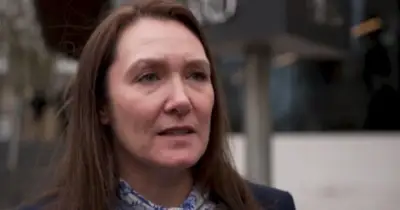
Ms Riley MBE said: “Being scammed is sadly something I have experienced. I provided personal information to what I believed was a genuine travel permit website. I'd completed the process many times before, so there was nothing that immediately raised alarm bells.
“That's what frightened me most. The website looked completely legitimate and I genuinely believed I was doing the right thing.
“What that experience taught me is that criminals are incredibly clever and convincing. Once fraudsters have your personal information, it can be used in all sorts of ways and that's a frightening thought.
“It's made me much more cautious about any unexpected contact, whether that's online, by text, email or over the phone. I can absolutely see how people could be persuaded by someone claiming to be from their bank if they appear to know information about them.
“It has had a real impact on me and changed the way I behave online. I think people sometimes believe scams only happen to other people, but they can happen to anyone.”
Bank impersonation tactics
The research found more than a quarter of those surveyed, 26%, had received a text claiming to be from their banking provider during the previous 12 months. A further 25% had received an email making the same claim, while 22% had received a phone call.
Researchers also asked what could persuade people to trust an unexpected caller claiming to represent their banking provider. One in five, 20%, said seeing their banking provider's name displayed on their phone would make them trust the caller, while 19% said knowing some of their recent account activity would do so.
Another 14% said they could be convinced if the caller knew their full name, while 13% cited knowledge of their date of birth. Some 12% said they would trust the caller if the number appeared genuine, while 10% said sounding professional could convince them.
Nationwide's warning signs
Nationwide said its own data showed the average loss from impersonation scams was nearly £2,200. The research also found 26% of people only sometimes or rarely checked a number before responding to a call or text, while 7% never checked. Meanwhile, 14% said they were not confident they knew how to spot somebody impersonating their bank.
Annya Burskys, Head of Fraud Operations at Nationwide, said: “Scammers are increasingly sophisticated at making unexpected calls, texts and emails appear genuine. They may disguise a call as coming from a trusted organisation, use personal details to gain your trust or pressure you to act quickly.
“Many scams are connected. Criminals may first obtain information about you through a fraudulent website, phishing email or text message. They can then use those details to make future impersonation scams appear much more convincing.
“They may also tell you what to say if your banking provider questions a payment, claiming it will speed things up. In reality, the more your banking provider knows, the better it can support and protect you.”
Nationwide has urged people to watch for a number of warning signs when dealing with unexpected contact. It says financial providers will never ask customers to move money to a so-called “safe account”, tell them to misrepresent a payment to their bank or ask for a one-time passcode. They will also never ask customers to download an app or give someone access to their computer or app, or pressure them into acting quickly.
Ms Burskys added: “We may contact you if we're concerned about activity on your account but be aware fraudsters may impersonate your bank, can disguise the name or number they're calling from, and may provide information to appear genuine.”
She continued: “If anything doesn't feel right, you can end the call and contact your bank using the number on your bank card, through your app or website, or by dialling 159.
“Take time to stop and think before making a payment or sharing information. Use the tools available to you - Nationwide's Call Checker in the app confirms whether a caller is genuinely from Nationwide, while its Scam Checker service lets customers verify a payment by phone or in branch.”