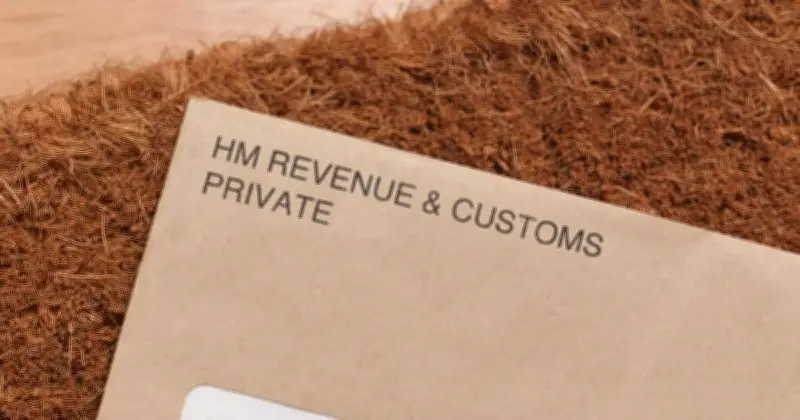
HM Revenue and Customs (HMRC) has issued an urgent warning to Self Assessment taxpayers after receiving more than 1,700 reports of scams targeting people ahead of the January filing deadline. The tax authority is urging people to remain vigilant as fraudsters increasingly attempt to impersonate HMRC through emails, text messages and phone calls.
A total of 1,704 Self Assessment-related scams were reported to HMRC in the 12 months to October 31, with around 900 linked to a single fraudulent tax refund scheme. Overall, HMRC received 95,340 reports of suspected scams during the same period, including 48,119 reports involving criminals impersonating the department.
Scams Target Taxpayers During Filing Season
Scammers often target taxpayers during Self Assessment season because people are more likely to expect correspondence about their tax returns, payments and potential refunds. In August 2026, HMRC received around 900 reports relating to one particular scam involving fraudulent emails containing malicious attachments.
The messages directed recipients to a fake GOV.UK website designed to steal personal and financial information. Victims were told they had an unclaimed tax repayment and were encouraged to verify their identity and payment details. However, the information provided could then be used by criminals to access bank accounts or carry out further fraudulent activity. HMRC said it took swift action to shut down the scam, helping to protect thousands of other potential victims.
Official Advice and Reporting Channels
Lucy Pike, HMRC's chief security officer, said: "We know Self Assessment is a prime target for scammers, who use fake tax refund offers to trick people into handing over personal and financial information. You can check if contact from HMRC is genuine on GOV.UK before taking any action. Reporting scams helps us shut them down and protect others."
HMRC is reminding taxpayers that the department will never contact customers by email, text or phone to tell them they are due a refund or ask them to claim one. It will also never request personal or financial information through email or text messages, or leave threatening voicemails warning of legal action or arrest.
Anyone who receives a suspicious message claiming to be from HMRC is being urged to check whether it is genuine using the official GOV.UK website. The department has also set out ways for people to report suspected scams. Suspicious emails can be forwarded to phishing@hmrc.gov.uk, while suspicious text messages can be sent to 60599. Suspicious phone calls can also be reported through GOV.UK.
Deadline and Wider Fraud Figures
The warning comes ahead of the Self Assessment deadline on January 31, 2027. Anyone required to complete a return for the 2025 to 2026 tax year must submit it and pay any tax owed by this date. Taxpayers can file their returns securely through the official GOV.UK website.
HMRC has also revealed that it identified 1,024 cases of brand infringement in the 12 months to October 31. During the same period, the department removed 8,713 fraudulent websites and 221 phone numbers linked to scam activity. With the January deadline approaching, HMRC is urging taxpayers to be particularly cautious about unexpected messages offering tax refunds or requesting sensitive information.