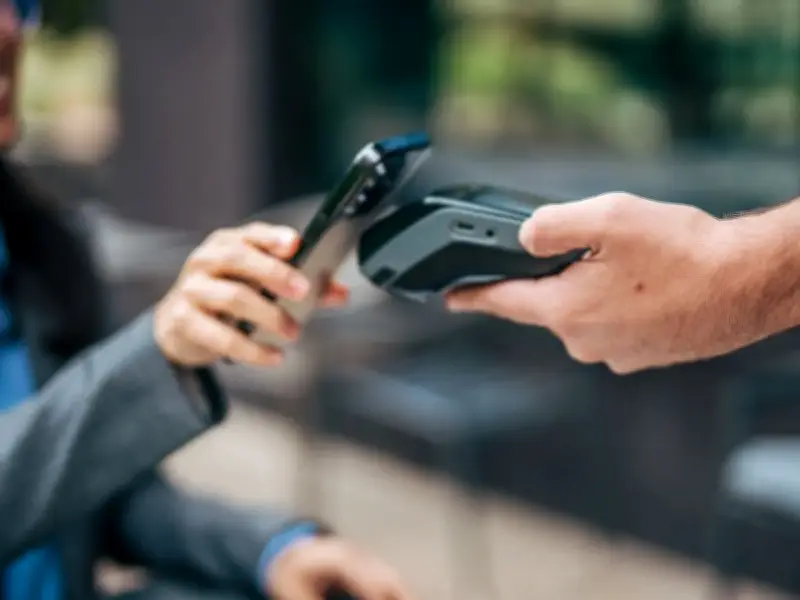
UK shoppers who use contactless payment are being warned about a scam known as 'ghost tapping', where someone may attempt to take a payment from your card or device without you noticing. This can happen in busy places or when you are distracted, sometimes for a small amount, and occasionally scammers may attempt a higher charge. To prevent their bank account being drained, shoppers are being urged to understand how ghost tapping works and what to do if they think it has happened.
What is Ghost Tapping?
According to McAfee, an award-winning and worldwide leader in online protection: "Ghost tapping is a form of contactless fraud where someone attempts to initiate a tap-to-pay transaction without your approval." Tap-to-pay cards and mobile wallets on phones use a technology called 'near-field communication' (NFC), which lets them communicate with things like a point-of-sale device for payment at a very close range. It is generally quite safe, particularly because of the 'near' part, as you have to get very close to make the connection.
However, being close to you - especially when you are distracted - can be enough for scammers to try something. They may attempt to read limited details from contactless (RFID/NFC) cards, or trick you into approving a payment you didn't mean to make. The experts say cardholders should think of it as an opportunistic, in-person scam that abuses the tap-to-pay moment rather than a remote hack.

How does Ghost Tapping happen?
Most of these scams depend on getting close to you and taking advantage of a moment of distraction. Someone could use a portable card reader near your pocket or bag to try a small contactless payment. In other cases, fraudsters may use a tampered payment terminal and hurry you through the transaction so you don't notice the amount.
McAfee claims: "We've seen reports of people getting Apple Pay scammed by impostor merchants who exploit quick taps and small screens. While mobile wallets add strong safeguards, poor visibility and social pressure can still lead to losses." It reassures shoppers: "Common myths persist. Attackers can't drain accounts from far away, clone full cards via a tap, or bypass wallet protections easily. Most successful cases hinge on proximity, distraction, and human error. Meanwhile, Apple Pay scam stories often involve rushed taps and unverified totals. Effective ghost detecting focuses on timely alerts, careful review, and immediate response."
How can I protect myself from Ghost Tapping scams?
The online protection experts state that the BB - Better Business Bureau - broke the story of many scams. The BBB suggests storing your cards securely, as an RFID-blocking wallet or sleeve can help stop wireless skimming. Always confirm payment details before tapping your card or phone, checking the merchant's name and amount on the terminal screen. Set up transaction alerts, as many banks allow real-time notifications for every charge. Keep an eye on your accounts, as daily checks help you spot fraud faster. Limit tap-to-pay use in high-risk areas, and consider swiping or inserting your card instead. Meanwhile, McAfee suggests similar, urging shoppers to monitor their identity and credit, and to think about what they're carrying and where they keep it when out and about.
What should I do if I think I'm a victim of a scam or fraud?
Experts at Citizens Advice suggest people contact their bank immediately if there's a payment from your bank account you don't recognise – known as an 'unauthorised transaction' – or if you've used your debit card and more money was taken than you expected. It explains: "Explain what's happened and ask if you can get a refund. If you're not happy with how the bank deals with your claim, you can complain to them. Find out how to do this by checking their website."
If it's been 8 weeks since you complained, and you haven't got your money back, contact the Financial Ombudsman. You can also contact the ombudsman if you've had a letter from the bank saying it's not going to take any action, sometimes known as a final response letter. If the ombudsman finds you've been treated unfairly, it has the legal authority to order steps to put things right. This advice applies to England, with separate advice for Northern Ireland, Scotland, and Wales.