
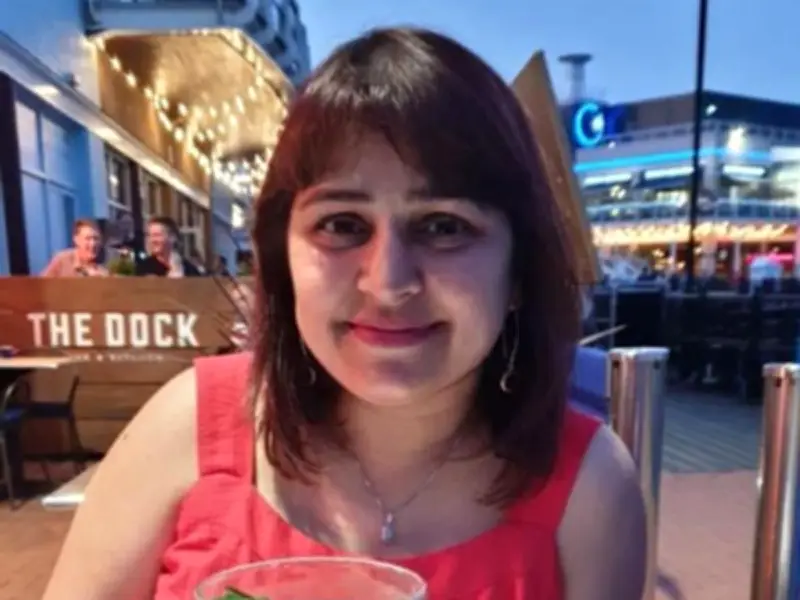
A business owner defrauded the UK Government out of £190,000 after making multiple applications for loans under a Covid-19 scheme designed to help businesses during the pandemic. She transferred the majority of the funds to her personal bank accounts, which she used to pay off personal debt and buy stocks and shares.
Rupali Wagh, 50, of Cardiff, obtained £216,250 for four of her companies between May and September 2020 through Bounce Back Loans, set up by the UK Government to support businesses who were economically struggling during the Covid-19 pandemic. But these loans were purely for the economic benefit of businesses and were not to be used for personal expenses.
Loan Scheme Details
A sentencing hearing at Merthyr Tydfil Crown Court on Friday heard the loans would be directly provided by cash lenders, like banks, with the Government providing 100% guarantee. The loans had a fixed interest rate of 2.5%, which was paid by the Government, and had a maximum length of 10 years, with businesses expected to repay the loan during that period. A business was only entitled to a single loan under the scheme.
Prosecutor Jenny Yeo said Wagh’s first fraudulent application came in early May 2020, when she applied for a £16,250 Bounce Back Loan for One2Four Accounting Ltd, a bookkeeping services company she had set up in June 2018. She declared the company had a turnover of £65,000 and said that the funds would be used wholly for business purposes. In reality, the company's turnover for the previous calendar year was just £39,000. Within weeks of receiving the funds, Wagh transferred the money into her personal bank account and spent most of it paying off debts and purchasing stocks and shares.
Subsequent Fraudulent Applications
The following month, Wagh applied for a £50,000 loan, the maximum allowed under the scheme, for Talensetu UK Ltd. She claimed the business had a turnover of £218,000 when dormant accounts filed by the company for the period June 2019 to June 2020 showed it was not trading. Within days of receiving the funds, Wagh transferred the entire £50,000 into her personal account and spent it on personal finance and stocks and shares. She also transferred more than £25,000 to an account in India.
Wagh applied for a second £50,000 Bounce Back Loan for Talensetu UK Ltd in July 2020, this time from a different bank. She claimed a turnover of £225,000 despite having estimated the company's turnover for the next calendar year as just £72,000 on the bank account application form she completed the same day. Wagh also falsely declared this was the company's only Bounce Back Loan application. After receiving the funds in August, Wagh again transferred almost the entire amount into her personal account and spent it on stocks and shares and paying off personal finance.
Further Offences
Wagh followed this up with a fourth fraudulent application in August 2020, seeking £50,000 for White Coconut Ltd, which traded as an Indian street food outlet in Cardiff. The defendant claimed a turnover of £252,000, again contradicting the £72,000 estimate she provided on her bank account application. Wagh falsely declared this was the company's only Bounce Back Loan application, despite having already secured £18,000 from the bank for the same business three months earlier.
Her final fraudulent application came in late September 2020, when she applied for a £50,000 loan for Indian Canteen Ltd, a street food business incorporated only in January of that year. Wagh claimed a turnover of £206,000, despite estimating on her bank account application that the company's turnover for the next year would be just £82,000. She later transferred more than £25,000 of the loan funds to White Coconut Ltd.
Investigation and Sentencing
The defendant was interviewed under caution by The Insolvency Service, during which she claimed she had become confused about what the loan could be used for, and said she had intended on setting up a satellite office in India. She conceded she was in financial difficulty at the time having divorced in 2016. Wagh later admitted the finances were used for her own personal benefit. Having initially claimed a third party had used her computer to make applications for some of the loans, she retracted this.
The defendant, of Harrison Way, Grangetown, later pleaded guilty to four counts of dishonestly making a false representation to make gain for self/another or cause loss to other/expose other to risk. The court heard she was of previous good character.
In mitigation, Nicholas Barry said his client was under a lot of pressure at the time of the offence and was having some difficulty in her personal life. The barrister said the defendant accepts she should have obtained professional advice and should not have used her own bank accounts, but she was not motivated by 'lifestyle enhancement'. She has since paid some of the funds she obtained back and £24,000 of the loans she received were used towards her businesses. The defendant also has a number of health issues including type two diabetes and has family in India who she supports.
Sentencing, Judge David Wynn Morgan said: 'Your conduct was wholly dishonest and resulted in personal gain.' Wagh was emotional and could be heard wailing as she was sentenced to 27 months imprisonment.
Following the hearing, David Snasdell, chief investigator at the Insolvency Service, said: 'Rupali Wagh systematically targeted a scheme designed to help genuine businesses survive the pandemic. She lied about her turnover, obtained duplicate loans for the same businesses, and used the funds to pay off personal debts and buy stocks and shares. When confronted with the evidence, Wagh initially tried to blame someone else before admitting she had acted alone. These are serious crimes and the Insolvency Service remains committed to bringing Covid fraudsters like Wagh to justice no matter how long it takes.'




