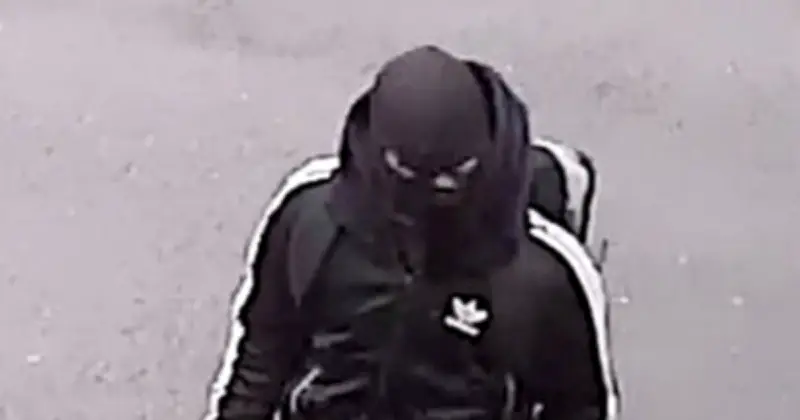
Newport, Coventry, Stafford and Wolverhampton are considering tougher restrictions on balaclavas and face coverings, following Nottingham's introduction of new rules in its city centre last month.
Newport Council has confirmed its existing Public Spaces Protection Order (PSPO) is being reviewed, with potential amendments covering face coverings under consideration. The proposals come amid growing concern about masked gangs, intimidating behaviour and crimes committed by people concealing their identities.
Concerns over masked crime
Newport councillors have raised concerns about people wearing balaclavas to rob shops, burgle properties and deal drugs while avoiding detection. Councillor Matthew Evans proposed action alongside fellow councillor David Fouweather, who said incidents had left people feeling intimidated and prompted calls for tougher measures.
The authority stressed that any restrictions would need to take account of practical implications and legalities, with exemptions for legitimate reasons including religious, cultural, medical, occupational, weather-related and personal safety needs.
Nottingham's new rules
Nottingham introduced restrictions on face coverings in its city centre on September 15. Under the rules, police and authorised enforcement officers can ask people to remove face coverings if they reasonably believe they are being used to conceal someone's identity to commit a crime or engage in anti-social behaviour.
Those who refuse can face a £70 fixed penalty notice, with prosecution potentially resulting in a maximum fine of £1,000. Nottinghamshire Police identified more than 180 city centre incidents involving face coverings or balaclavas between June 2025 and June 2026.
Shopkeepers affected
Shopkeepers have warned that masked offenders are contributing to an atmosphere of fear on the streets, with some traders questioning whether they can continue operating safely. Jeweller Annette Farmer said she was devastated to move her business online after two burglaries and a shoplifting incident involving people wearing balaclavas between June and August.
Ms Farmer told BBC Radio Wales Breakfast: "I didn't feel safe any more." She added that gangs were hanging around on bikes, speeding through the city and behaving as though they could do whatever they wanted. Ms Farmer said: "It's intimidating, it's frightening."
Political debate
The proposed crackdown also comes amid a wider political row over face coverings, with Reform UK leader Nigel Farage calling for full face coverings to be banned in public. Mr Farage has argued that people should be identifiable in public, while critics of blanket restrictions have raised concerns about legitimate uses of face coverings.
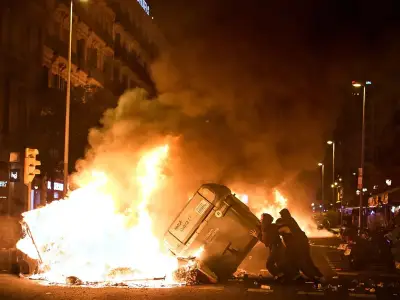
The issue has also come into focus following anti-migrant protests in Dover and Portsmouth, where demonstrators wore masks and balaclavas. Prime Minister Andy Burnham has criticised protesters covering their faces, saying it was "not the British way". Home Secretary Shabana Mahmood has also urged police chiefs to make full use of powers allowing officers to prohibit face coverings at protests for up to 24 hours.
Wolverhampton has already used public spaces protection powers to allow police to challenge people wearing face coverings without reasonable grounds, meaning the city is considering how to strengthen or extend existing measures. The Sun reported that Newport, Coventry, Stafford and Wolverhampton were exploring tougher restrictions, although the proposals remain under consideration and do not amount to four confirmed city-wide bans.
Any measures are likely to face questions over how to distinguish between people concealing their identities to commit offences and those wearing face coverings for legitimate reasons. Supporters argue that making it harder for offenders to hide their identities could help tackle crime and restore confidence among residents and businesses. But the proposals would not necessarily constitute a blanket prohibition on balaclavas, with exemptions for legitimate uses likely to be a key consideration in any restrictions.