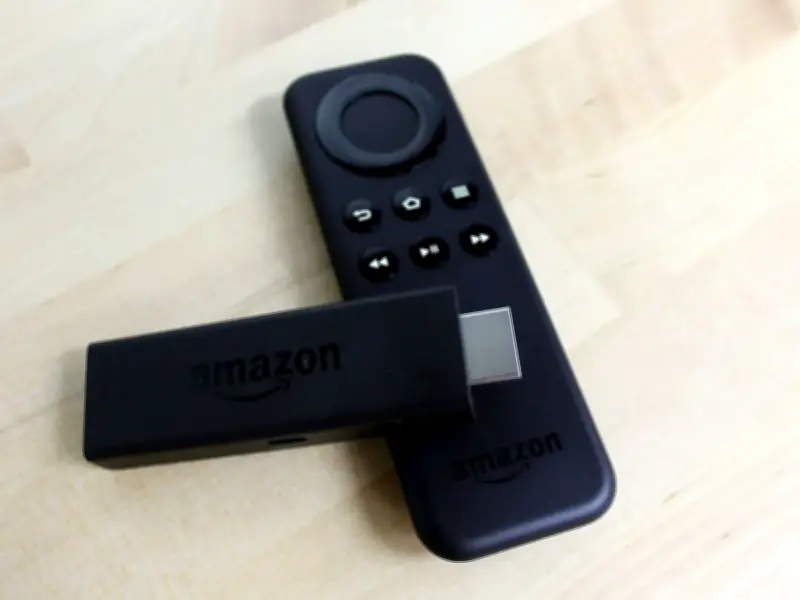
The use of modified Fire Sticks is increasing across UK homes, with many users unaware of the legal and safety risks. Nearly five million people in the UK have used illegal sports streaming services, according to estimates cited by the Liverpool Echo. Organisations including the Premier League, Sky, and FACT (Federation Against Copyright Theft) are working with law enforcement to combat this activity.
What Is a Dodgy Fire Stick?
A 'dodgy Fire Stick', also known as 'illicit streaming', refers to physical boxes or USB sticks connected to a TV, such as an Amazon Fire Stick, used to view content without the copyright owner's permission on smart TVs, laptops, or mobile phones. The most common devices are 'jailbroken' Fire Sticks equipped with third-party media server applications, as reported by the Liverpool Echo.
These devices are legal when used for free content but become illegal when modified to stream TV programmes, films, and subscription sports channels without paying the required subscription fee.

How to Spot One and Safety Concerns
Dodgy Fire Sticks can be identified if you're watching content you'd normally pay for, such as sports events broadcast by BT Sport, without having paid. The government website warns that some of these devices have failed EU safety standards and pose a genuine threat, potentially sparking a fire in your home or business. GOV.UK also notes that these devices 'lack parental controls' and might expose children to explicit or age-inappropriate material.
For those already in possession of an illegal box, the website advises: "These devices can be used legally by removing the software. If you are unsure get advice to help you use the device legally. If you wish to watch content that's only available via subscription, such as sports, you should approach the relevant provider to find out about legal ways to watch."
How Police Detect Dodgy Fire Sticks
Officers and anti-piracy organisations like FACT can trace illegal devices by capturing unlawful streaming server records, examining financial and banking payment trails, and following customer databases seized during raids on major suppliers. They can also use digital postcodes, as every connection a device makes relies on a unique IP address linked to a home internet router. Investigators collaborate with Internet Service Providers (ISPs) to match active streaming IP addresses to subscriber names and home billing addresses.
Penalties for Using or Selling
Those caught illegally streaming content could face fines running into thousands of pounds and up to 12 months in prison. Copyright owners such as Sky or the Premier League can take civil legal action to recoup lost earnings. It is considered an offence of "obtaining services dishonestly" under the Fraud Act 2006, which could also lead to up to 12 months behind bars. For more serious crimes, like supplying or distributing devices on a commercial scale, the outcome could be up to five years in prison.
FACT has cautioned that those supplying or watching content could face penalties reaching £50,000 for using modified Fire Sticks to unlawfully access Sky and Premier League broadcasts.
This week, Craig Austin dodged a prison sentence after confessing to selling dodgy Fire Sticks. The NHS worker earned over £200,000 and amassed more than 1,000 customers by promoting his service on social media. An anti-piracy investigator from Sky estimated that if the more than 1,000 subscribers had paid legitimately for the entertainment packages throughout the duration of his offending, the company would have received £3,661,908.48. Austin pleaded guilty to three counts of making or supplying an article for use in fraud and acquiring criminal property. He was given a 32-month prison sentence suspended for three years, with 150 hours of unpaid work and a rehabilitation activity requirement of up to 20 days.