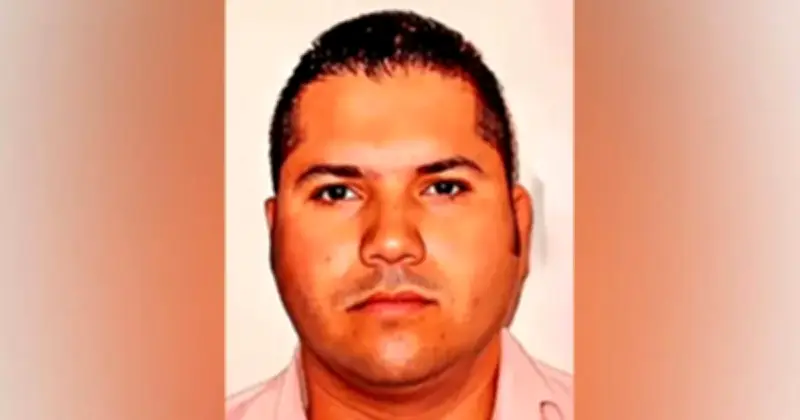
Mexican authorities captured Fausto Isidro Meza Flores, known as El Chapo Isidro, a drug cartel leader on the FBI's 10 most wanted fugitives list, after a 10-year manhunt. The arrest followed an intense firefight between Mexican forces and cartel gunmen in the city of Guasave, Sinaloa state, that left at least 11 people dead, authorities said.
Meza Flores was flown to Mexico City on Saturday after the overnight operation, which left residents terrorised and trucks and businesses burning. Mexico's Defence Ministry said on Saturday afternoon local time that seven alleged cartel gunmen and four Mexican soldiers were killed.
Capture After a Decade-Long Manhunt
Meza Flores rose through the cartel ranks to lead the Beltran Leyva cartel and later became the leader of his own group, the Meza-Flores Transnational Criminal Organisation. The United States had offered a five million dollar reward for information leading to his arrest, and he was wanted for trafficking drugs to the US and illegally carrying firearms.
Mexico's government said in a report early on Saturday that intelligence from the Trump administration helped authorities capture him, but provided few details about how authorities in Mexico and the United States co-ordinated to detain Meza Flores. He was also a key ally to Los Mayos, a faction of the Sinaloa Cartel, which was designated as a foreign terrorist organisation by the Trump administration last year.
Violence Erupts in Guasave
The capture of Meza Flores and his number two in Guasave set off a wave of violence when a firefight broke out at around 7pm local time on Friday, according to residents of the 290,000-person municipality. Soon, military helicopters and drones were flying overhead, and helicopters opened fire on key locations across the city. Videos show screaming civilians fleeing gunfire at a baseball game, burning cars and businesses, and circling helicopters shooting at people below.
"The fighting was happening all over Guasave," said Alma Camacho, a Guasave resident and local journalist. "It spread throughout the city." Mexican authorities said that they used "stealth and surprise" to arrest Meza Flores, establishing a security perimeter around the building where he was located. After coming under attack with guns and explosives from suspected cartel operatives, armed forces personnel entered a home and detained him. A total of eight people were detained, according to authorities.
Security Response and Aftermath
Because of the violence, the Mexican army and National Guard special forces were unable to extract Meza Flores from Guasave until 4am on Saturday, said a federal official. "Getting him (Meza Flores) out was extraordinary," the official said, describing an intense response by members of the criminal group who maintained at least "10 roadblocks" with burning vehicles on Guasave's streets.
Guasave resident and firefighter Paola Sanchez said that thousands of people were terrorised late on Friday as they took shelter from intense gunfire in grocery stores and other locations. "Last night, many businesses were burned... along with cars and trucks," Ms Sanchez told The Associated Press. She said that the city's firefighters had to take shelter at their station and wait until Saturday morning for orders from their superiors to dispatch the first crews to check whether any businesses or vehicles were still burning.
Mexican security secretary Omar Garcia Harfuch wrote on X on Saturday morning that armed forces would remain deployed in Sinaloa state to protect civilians. He lamented the deaths of the four soldiers killed in the operation. Burned-out trucks continued to line the freeway leading into the town, blocking roads on Saturday. "The aftermath of last night's war still lingers. Burned cars in the streets, several Oxxo stores completely burned down," Ms Camacho said, referring to a chain of convenience stores in Mexico. Guasave residents remained "very afraid" because security forces were absent from the streets, Ms Camacho said.
Political and Strategic Implications
Meza Flores' detention marks another high-profile capture of a cartel leader as Mexican President Claudia Sheinbaum faces pressure from Mr Trump to crack down on cartels. Ms Sheinbaum has gone after illegal groups more aggressively than her predecessors, and homicides have dipped significantly in her two years in office. The US and Mexican governments celebrated the capture on Saturday, with the DEA commending Mexican authorities.
"Results like these don't happen overnight. They are built on sustained cooperation and trust. This is what partners can accomplish together," US ambassador Ronald Johnson said in an X post. "We will continue the hunt." Mr Garcia Harfuch called the detention "an important step in pacifying Sinaloa". Ms Sheinbaum's government has targeted a number of cartel kingpins, including Jalisco New Generation Cartel leader Nemesio Oseguera Cervantes, known as El Mencho, who was killed by the military in February.
Mexican security analyst David Saucedo said that the capture of Meza Flores marked another case of the governments of Mexico and the US increasingly falling back on a longstanding security strategy that critics warn could fuel more violence in the long run. The so-called kingpin strategy relies on zeroing in on capos such as Meza Flores as a way to combat cartels. But experts say that it often triggers violent power disputes among groups, such as the one under way in Sinaloa. "What is evident is this is a product of pressure from the United States," Mr Saucedo said. "What they do is capture high-profile kingpins – the leaders – but they don't dismantle the entire organisation. They arrested the number one and number two, but the entire network of hit men, street-level drug dealers, businesses and political and police connections remains intact."