
The National Police Chiefs’ Council (NPCC) has stated that forces are “determined to do more” to hold domestic abusers accountable when their victims die by suicide, but acknowledges significant resource constraints. Assistant Commissioner Louisa Rolfe, the NPCC lead for domestic abuse, revealed that domestic abuse accounts for 20% of all crime in most forces, placing immense pressure on officers.
Rolfe highlighted changes to national guidance aimed at improving investigations, including avoiding assumptions that a suicide is solely a coroner’s case and ensuring evidence from perpetrators, such as mobile phones, is not returned prematurely. She noted that “more posthumous investigations are taking place” but admitted that progress is hampered by limited resources and backlogs in the justice system.
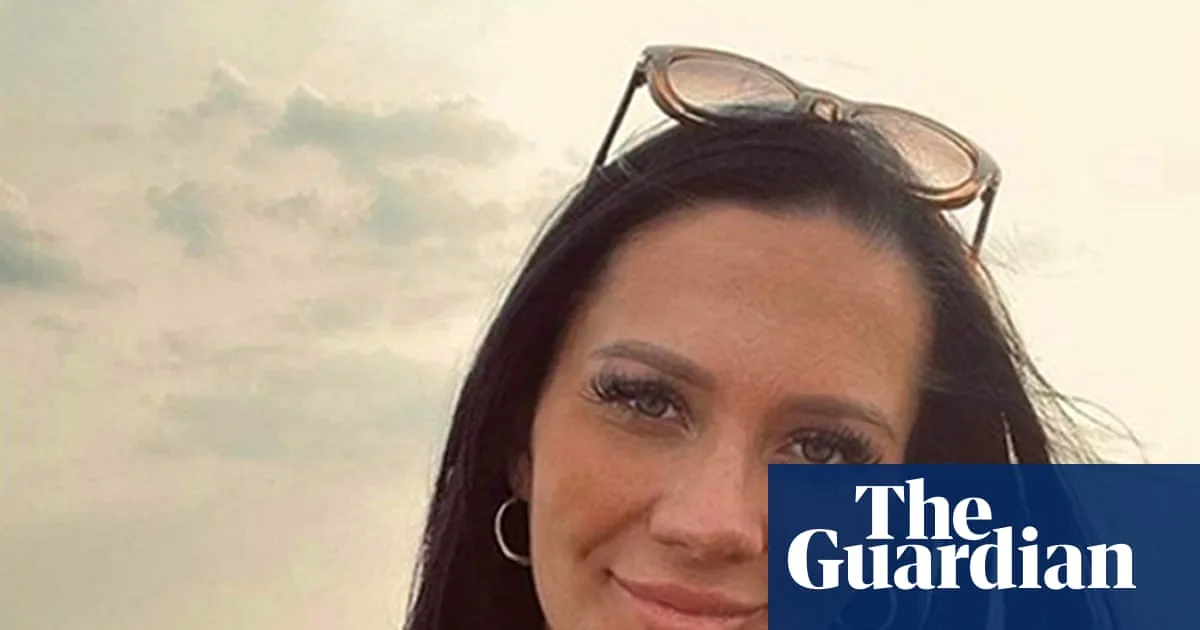
The comments follow a Guardian analysis suggesting that the number of women driven to suicide by abusers is under-reported. Rolfe pointed to the case of Kiena Dawes, who left a note stating “Ryan Wellings killed me” before her death. Wellings was convicted of assault and coercive control but acquitted of manslaughter, illustrating the challenge of proving a causal link between abuse and suicide.
Rolfe also cited the case of Katie Madden, who took her own life after her partner told her to kill herself; no criminal investigation was launched. The NPCC has urged forces to adopt a daily review process for unexpected deaths, similar to the Met Police’s approach after the Stephen Port case, to ensure all domestic abuse-related suicides are properly scrutinised.
Despite the obstacles, Rolfe expressed optimism about increased focus on domestic abuse within policing, though she noted that the growing volume of digital evidence from smartphones adds to the workload. “The more data technology includes, the more work there is for policing, but we probably have less resources than 20 years ago,” she said.




