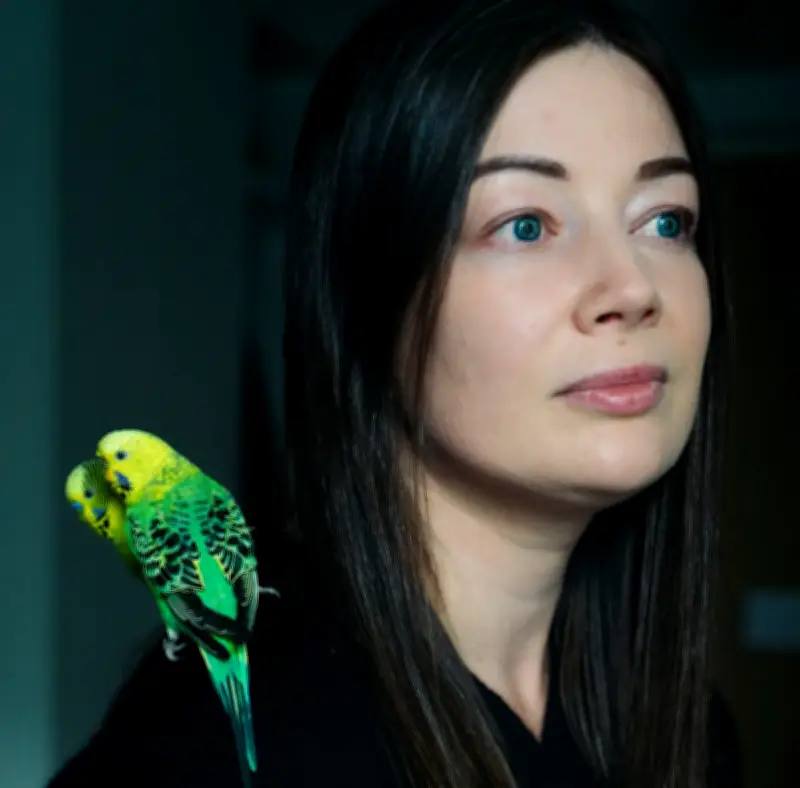
Ali Albokhari, a 42-year-old Finnish-Syrian chief mate, was sentenced to 30 years in prison by a Turkish court for drug smuggling after cocaine was found on the cargo ship Phoenician M. His wife, Elena, is still fighting to free him, arguing there is no evidence linking him to the drugs.
In the early hours of 6 October 2023, Elena was woken by a text message from her husband. Ali had been at sea since June, and the 180-metre bulk carrier had docked at Ereğli in the Turkish Black Sea a few days earlier. He was due to return home to Helsinki soon, but instead of feeling excitement, Elena was growing increasingly worried about his welfare.
She had felt a similar unease a month earlier, when the ship arrived at Barranquilla, Colombia. Ali called in a panic to report that drugs had been found; Armada Nacional officers had uncovered holdalls stuffed with 137kg of cocaine. Labels on the packages – the crest of Turkish football club Kayserispor – hinted at their destination: Turkey was the next port of call. “I never want to work as a seaman again,” Ali told Elena. “We are having big problems.”
After two days, the ship was held at the port. Elena, 39, a tour guide from Russia, was so anxious she could barely sleep. Then she received a photo from Ali of the crew happily drinking beer in a restaurant – the drugs had been removed and, after a meeting with the harbourmaster, the ship was cleared to depart. “So will you go on working as a seaman?” Elena asked. “Yeah,” Ali said. “Sometimes it happens … so it’s OK.”
The arrest and detention
When the Phoenician M arrived at Ereğli on 2 October, loaded with coal, it was targeted by Turkish narcotics officers. The ship’s captain, Marko Bekavac, 63, a Croatian with three decades’ experience as a seafarer, had already informed the ship’s management company about the incident in Colombia, and when Turkish authorities boarded, he immediately declared that drugs had previously been found on the ship. Despite this, officers delivered a statement: should anything be found onboard, he would be accountable.
The 20 crew members, including citizens of Russia, Ukraine, Poland and the Philippines, were ordered to remain in the ship’s mess room as the police continued to investigate. Nothing was found in an initial search, but days later, as the coal was unloaded, suspicious bags were reportedly found buried in the cargo hold. They were packed with more cocaine. The captain and other crew were escorted from the ship.
Ali, who was second in command, remained onboard as unloading continued. He had managed to keep hold of his phone and was sending Elena updates. In the middle of the night, a text message confirmed the worst: “They are going to arrest us.”
Elena frantically tried to make contact with anyone who might know what had happened. After she posted on online chat groups for seafarers, she was messaged by the wife of a crew member who had not been among those taken by the police. Only after calling him was she able to piece together what was happening. Ali, along with Bekavac and eight other crew members, had been arrested on suspicion of drug smuggling.
Another week or so passed. Elena had another call with the crewing agency, which said lawyers would be provided by Iskenderun at no cost. “Don’t worry, they are in the police station, they are being questioned, then they will be released,” Elena recalls an agent telling her. “You just need to wait.” So she waited. But instead, the men were detained and charged. During those first days, Elena says, the crew had no legal representation.
The trial and sentence
Days turned to weeks, then months. The men were moved from a local detention centre to a maximum security prison. Ali was one of many now isolated from their families. “Every day I was crying inside of that cell,” one Filipino crew member told me, adding that for a long time he didn’t know why he was being held. Six months passed before Elena was finally able to speak with her husband. He put on a brave face, telling her he was OK, but asked her to send money: “If nobody sends you money in prison, you can’t buy food, you can’t buy anything.” Elena sent money and clothes, and waited for the men to stand trial.
Finally, on 16 September 2024, following a number of hearings at Karadeniz Ereğli high criminal court, a verdict was due. Elena was sure Ali would be released. While he sat in the courtroom, she spent the day at home, anxiously awaiting the outcome. Then she received a brief message from the Finnish embassy. “I’m so sorry ... ” it said. While the eight other crew members had been acquitted, Ali and Bekavac had been found guilty on the basis of “command responsibility” and sentenced to 30 years’ imprisonment.
In July, Ali and Bekavac (who remains convicted as far as Turkish law is concerned) had their sentences increased to 33 years, due to a failure to pay a £3,000 fine that was part of their original sentence.
In April 2025, the chief public prosecutor referred the case to the supreme court of appeal, which in March 2026 upheld Ali’s conviction by a 3-2 majority. The opinions of the two dissenting judges pointed to many of the issues raised by Ali’s defence. They agreed the investigation was incomplete, there was not proper communication with the Colombian authorities, and police did not pursue an investigation in regard to the source intelligence that led them to the drugs on the ship in the first place.
Impact and ongoing fight
Elena has been lobbying for Ali’s release while trying to keep her own life afloat. When he was arrested, she was still a relative newcomer to Finland, with no support network and no job, as she was still studying. Sanctions on Russia meant their credit cards did not work: “I was left without money, without help.” Elena was dismayed by the lack of support from the Finnish government. While its consular service has visited Ali in prison a number of times since late 2024, statements on the case have been scarce, and it is notably absent from Finnish media.
Jussi Tanner, Finland’s director general for consular services, described the case as “concerning and troubling”. Finland, he says, continues to engage with the Turkish authorities and, particularly since Bekavac’s release, has been seeking clarification regarding Ali’s prolonged detention. “Everything I know about the case seems to indicate that it makes no sense that he’s still in custody,” Tanner says.
David Hammond, a former military seafarer, qualified barrister and founder of Human Rights at Sea International, has published a review of Ali’s case which calls it a “grave miscarriage of justice” and questions the prosecution’s integrity and motivations. Court papers state that the investigation was triggered by intelligence from Kayseri province police narcotics department, and the conviction based on evidence gathered following the seizure. But according to Hammond, Turkish police failed to request documentation relating to the Colombian incident, key witnesses were not interviewed, and no forensic evidence linking crew members to the drugs was presented. It is unclear why, of 20 crew onboard, only 10 were arrested. The prosecution seems to have rested solely on the rank and responsibilities of the crew. The conviction, as Ali’s lawyer argued, “rests on speculation rather than proof”.
Bekavac, who was released in August 2025 and flown home by a Croatian diplomat, remains incensed about the case and is outraged at the suggestion that he could have been involved in a drug-smuggling operation. He told me he was made aware of the destination list for the Phoenician M only three days before it arrived in Barranquilla and the responsibility for loading cargo fell on the stevedores working at the port. The cocaine reportedly found in Turkey was buried 5 metres deep within the coal, he adds, so could only have been concealed while the ship was being loaded in Barranquilla, not during the journey, as alleged by the prosecution. Bekavac, like the other crew, believed that, having been cleared by the Colombian harbourmaster, they would have no further issues.
Fabrizio Barcellona, a coordinator at the ITF, says the issue is not with countries taking a strong stance against drug trafficking, but that seafarers are being scapegoated. “It’s not good enough just to put them in jail without clear evidence,” he says.
Ali’s lawyer has petitioned the chief public prosecutor – who appears to believe there are questions over Ali’s conviction – to file an objection to the supreme court of appeal’s decision, which would prompt a further review of the case. While Elena awaited further news, she was distraught to receive a call from Ali telling her he was being moved to a unit for prisoners whose convictions are considered final. Then, in August, the prosecutor agreed to submit the objection to the court.
No date for a decision has been set, so again Elena waits. She says Ali is coming under intense pressure from the Turkish authorities to accept a transfer to Finland, but to do so could disrupt attempts to overturn his conviction – and risk him remaining in prison on his return. For now, both their lives remain suspended. Elena takes care of the cat and birds, and continues to make a living as a guide in Helsinki. She avoids talking too much about herself to holidaymakers. To do so would probably tarnish the theme of the tour: “The happiest country in the world.”