More than 100 applications for privacy injunctions have been lodged by celebrities over the past decade, new figures reveal. This comes as famous faces and other well-known figures continue to rely on the courts to keep details of their private lives out of the public domain.
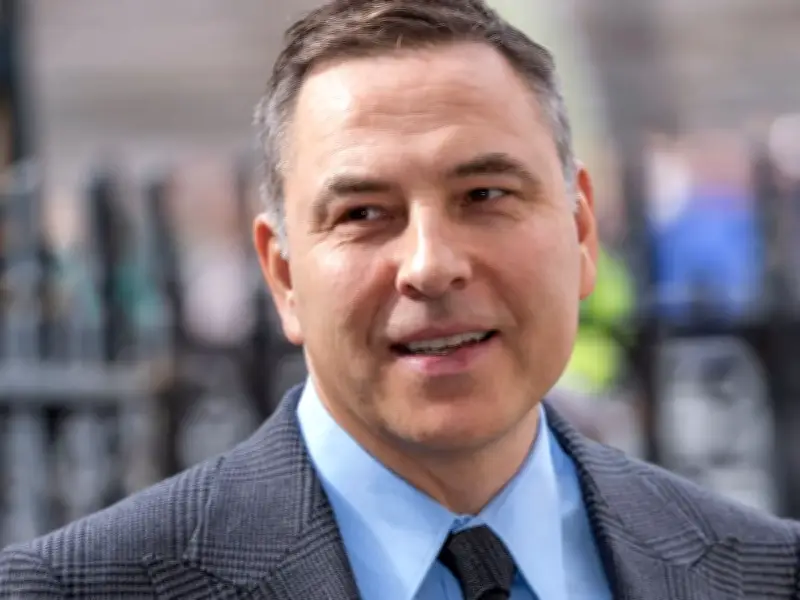
The figures, released by the Ministry of Justice, have come under fresh scrutiny following David Walliams' failed bid to stop claims about his conduct from being reported.
Walliams denies allegations
Walliams denies all allegations of wrongdoing, including any criminal activity, and insists he is "not a sexual predator". A judge threw out the comedian's injunction, and he has since faced public accusations involving girls as young as 15, which he firmly denies.
Since 2016, there have been 111 applications for new interim privacy injunctions, alongside 16 hearings concerning final injunctions and 43 relating to the continuation or variation of existing orders. As the figures only cover the past decade, the true total over a longer timeframe is likely to be substantially greater.
Other cases and historical disputes
Among those reportedly shielded by an injunction is another prominent male celebrity accused of having multiple alleged victims. Justine Smith, of Private Eye magazine, previously disclosed that the unnamed star had secured an order several months ago, reports the Express.
While some injunctions have been pursued to prevent allegations of sexual misconduct from reaching the public, numerous high-profile cases have centred on claims of infidelity. Former Chelsea skipper John Terry found himself embroiled in an injunction dispute in 2010 after attempting to stop newspapers from revealing an alleged affair with Vanessa Perroncel, the ex-partner of his teammate Wayne Bridge. The order was later quashed by a judge.
Broadcaster Andrew Marr obtained a High Court injunction in January 2008 to suppress details of a relationship with a fellow journalist five years prior. Marr believed he had fathered a child with the woman and made maintenance payments until a DNA test confirmed he was not the girl's biological father.
NDAs under renewed scrutiny
The allegations surrounding David Walliams has reignited debate over the degree to which wealthy and high-profile individuals can use the courts to keep allegations away from public scrutiny. The claims have also cast fresh light on the entertainment industry's widespread use of non-disclosure agreements (NDAs).
Celebrity makeup artist Lou Teasdale has spoken out about what she describes as a culture in which women working alongside famous men are routinely pressured into signing NDAs and handing over their phones. The stylist aired her concerns in an Instagram post.
She was keen to stress that she was not pointing the finger at any of those she had worked with, but argued the arrangements raised serious wider questions about women's safety. "I'm talking about a culture that exists and is completely legal that treats a celebrity man's privacy as more important than a woman's safety," she said.
Her remarks came as media minister Ian Murray gave evidence to the Digital, Culture, Media and Sport Committee. He said he was "deeply saddened and also angry" by the prevalence of abuse by men in the media industry, branding NDAs as "a major part of the problem."