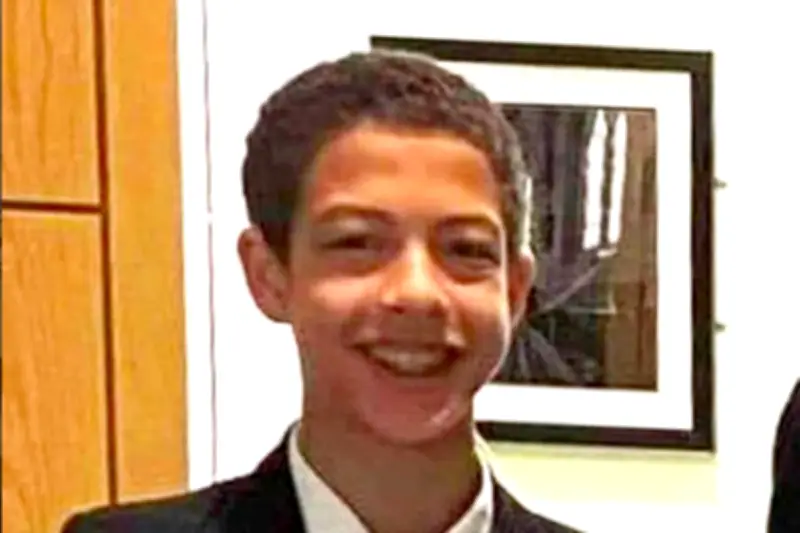
The jury in the long-running inquest into the death of Noah Donohoe has been told it is for them to decide whether errors by the Police Service of Northern Ireland (PSNI) were made in the search for him and whether those errors contributed to his death.
When the jury determines the time of death of the Belfast schoolboy will significantly impact how likely it was that any potential error contributed to the death. Experts have said Noah may have died on the same day he went missing, Sunday June 21 2020, or could potentially have survived until Tuesday.
His naked body was found in a storm drain tunnel in north Belfast by police on Saturday June 27, six days after he left home on his bike, believed to have been intending to meet two friends in the Cavehill area of the city.
Coroner's Instructions to the Jury
Mr Justice Rooney emphasised to the jury that only errors which they find happened before Noah died can be attributed as potentially having contributed to his death. He started his lengthy summing up to the jury of eight men and two women on Thursday, during the 21st week of the inquest, which started in January. He continued his charge to the jury on Monday morning, indicating that he hopes to finish it by the end of the day's sitting.
This comes after almost six months of evidence at Belfast Coroner's Court, including 76 witnesses, statements from a further 42 people, as well as maps, video footage, photographs, police logs and expert reports.
Background of the Case
Noah, a pupil at St Malachy's College, was 14 when his naked body was found in the storm drain tunnel in north Belfast in June 2020, six days after he left home on his bike to meet two friends in the Cavehill area of the city. CCTV evidence and witnesses show that Noah took a detour from his planned route, cycling instead along York Road and ending up on Northwood Road, where it is suggested he entered the tunnel via a culvert behind a house.
The inquest was shown CCTV of Noah cycling naked along Northwood Road, and evidence that some residents heard noises including screams on the night of June 21 when Noah went missing. A post-mortem examination found the cause of death was drowning.
Jury's Task and Limitations
On Monday, Mr Rooney told the jury it is for them to assess what police knew, when they knew it, and what they did in response. "Your role is to consider police actions, and whether they contributed, more than minimally, to his (Noah's) death," he said. The coroner made clear that errors can include something that was done, as well as something that was not done.
On Thursday, Mr Justice Rooney reminded the jury that the process was a fact-finding inquiry into how Noah died, and not a criminal trial where someone is found guilty of an offence or found liable to pay damages, and not about finding fault, attributing blame or apportioning guilt. He also cautioned the jury that they could not make a number of findings that there was no evidence to support.
These included that there was insufficient evidence to find that Noah was assaulted by a third party, that Noah was under the influence of drugs, that Noah was in a psychotic episode or acute mental illness, that he had taken his own life, that a third party was responsible for his death or that he was the victim of child exploitation. He added that it was "not a failure" of the inquest process that they had reached a point where certain findings could not be made.
Noah's mother Fiona Donohoe, who has led a high-profile campaign for answers around her son's death, has been present at Belfast Coroner's Court for every day of the inquest.