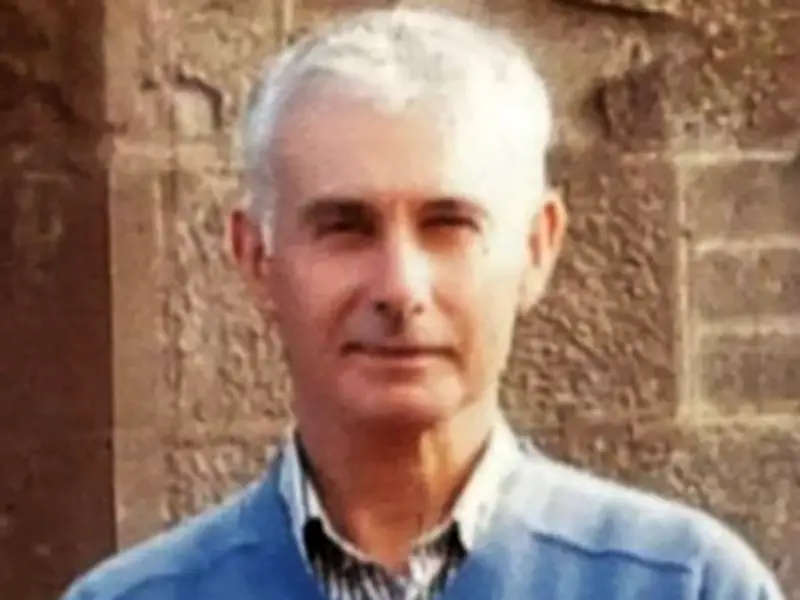
The botched police investigation into the murder of Brian Low ran up extra costs of more than £275,000, including an eye-watering £150,000-plus overtime bill. The 65-year-old retired groundsman was shot dead while out walking his dog near his home in Aberfeldy, Perthshire.
Initial Missteps and Discovery
Although Brian had multiple injuries from shotgun pellets, his death was initially treated as non-suspicious, with the wounds being blamed on a fall due to a cardiac arrest. The shooting and murder were only discovered after gun pellets fell out of the victim's body bag prior to a post-mortem examination by pathologists four days later.
Brian's 77-year-old former colleague, David Campbell, was found guilty of his murder at the High Court in Glasgow in February this year and sentenced to life imprisonment.
Financial Breakdown of Operation Newlane
The Police Scotland spending figures released under Freedom of Information (FOI) were for Operation Newlane, the name given to the Brian Low murder investigation. They show that the total extra costs were £279,909 and included a £153,333 spend on police and office staff overtime. A further £128,747 was spent on 'supplies and services' but no further details were given. The Operation Newlane figures were for the two financial years 2023/2024 and 2024/25.
Local councillor John Duff, who represents Aberfeldy and is a former police Superintendent, said: 'The costs of policing a murder investigation can be highly variable and are often substantial. Without a detailed breakdown of the costs, it is difficult to draw firm conclusions.'
'However, many of the major investigative activities, including the large police reassurance presence and the significant door-to-door enquiries, which followed the eventual recognition that Brian Low’s death was a homicide, would have taken place regardless of the initial procedural errors.'
'The police appear to have pulled out all the stops to recover from their initial mistakes and worked hard to accumulate the evidence necessary to identify and arrest the person responsible. While the four-day delay may well have increased the overall investigation costs, I think it would be extremely difficult to quantify with any confidence what those additional catch-up costs were.'
Police Apology and Review
Following Campbell's conviction, a senior officer issued a public apology to the Low family for their initial response 'falling well short of what Police Scotland and the public rightly expects.' The force also revealed that a review of 'policies and procedures' around unexplained deaths had been carried out.
During his murder trial, it emerged that Campbell, a former head gamekeeper at the Perthshire estate where Brian also worked, harboured a long-festering resentment against him. On the day of Brian's murder in February 2024, Campbell travelled to the murder scene on his wife's e-bike, wearing a hooded jacket and with a shotgun carried in a bag slung on his back.
Evidence and Conviction
Following the fatal shooting, Campbell changed the bicycle's tyres; however, soil samples from elsewhere on the bike showed that it had been at the scene of the murder. It also emerged that he had disabled the cameras at his own home prior to the killing. The trial judge Lord Scott described the killing as an 'appalling and senseless act of extreme wickedness.' He added that 'serious errors' in the early stages of the police inquiry may have led Campbell to believe 'you thought you got away with murder.'
Last month, Campbell was refused leave to appeal against his conviction.
A Police Scotland spokesperson said: 'This was a significant and complex investigation, lasting many months. Overtime is a flexible mechanism which can help to maintain effective policing for all our communities.'