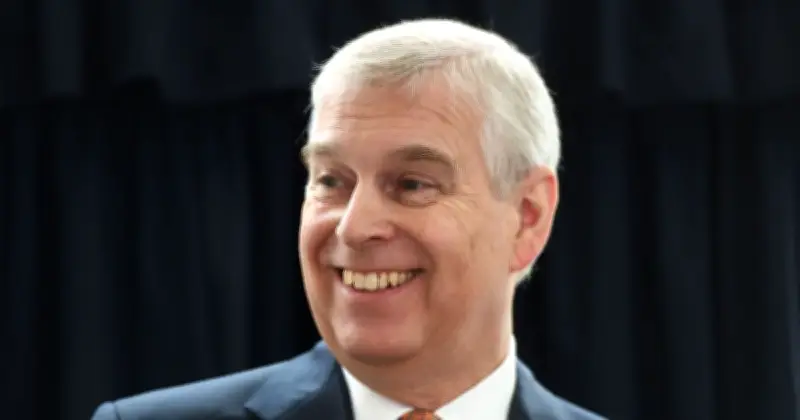
Andrew Mountbatten-Windsor, who has been silent for months, has launched a judicial review over the circumstances of his arrest by Thames Valley Police, according to an opinion piece by Giles Sheldrick.
The disgraced royal, formerly known as the Duke of York, took legal action over the circumstances of his arrest in February on suspicion of misconduct in public office. The claim concerns the actions of officers when executing the search warrant.
Defiant stance and legal challenge
Andrew, described as the late Queen's favourite son, remains defiant. He has vigorously and consistently denied any suggestion of wrongdoing or impropriety in relation to his relationship with Jeffrey Epstein.
His intervention seems peculiar given his silence after being formally requested by the House Oversight Committee to testify about his ties to the sex offender. Although under no legal obligation to comply, Andrew failed to respond, essentially ignoring the demand, just as he did when the US Justice Department requested to interview him in 2020.
Arrest and ongoing case
It is eight months since Thames Valley Police knocked on his door, yet little is known about the circumstances of the case. The force has applied to keep the details of the legal claim secret. A hearing is scheduled to take place at the High Court on Thursday.
Andrew was arrested on February 19, his 66th birthday, and spent 11 hours in police custody being quizzed on suspicion of misconduct in public office. Police raided Marsh Farm and Royal Lodge and spent six days combing through his personal possessions.
King Charles and financial matters
The latest twist has dragged his brother King Charles back into the mess. He is said to have had no involvement in Andrew's application but has insisted the financial handout he hands his brother must not be used to fund his legal action.
Andrew, who lived at Royal Lodge for 20 years before being forced to move to Wood Farm on the Sandringham Estate in Norfolk, still receives an annual six-figure stipend from his brother via his private funds, which includes an allowance for private security. The legal bill for his challenge could potentially run into hundreds of thousands of pounds, which would have to be paid for privately.
Earlier this year Andrew applied for a judicial review to quash the search warrants issued by an Old Bailey judge the day before his arrest. At Thursday's hearing, an application from Thames Valley Police will be made to restrict access to court documents, further keeping details from the public.