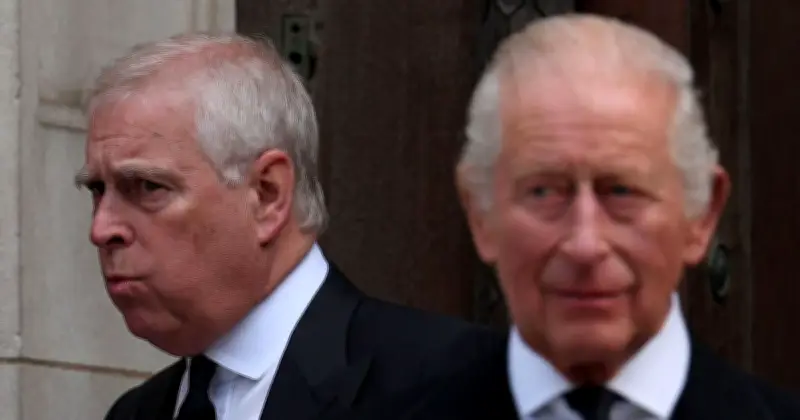
Andrew Mountbatten-Windsor is taking legal action against Thames Valley Police over whether it acted lawfully in conducting searches related to his arrest earlier this year. The former Duke of York was arrested on his 66th birthday in February on suspicion of misconduct in public office following allegations he shared sensitive information with convicted paedophile Jeffrey Epstein during his time as the UK's trade envoy.
Judicial review over search warrants
The Daily Telegraph reported the news last night, stating that he had been granted a judicial review regarding the search warrants that authorised police to raid his home on the Sandringham Estate and his former residence at Royal Lodge in Windsor.
On Thursday, Mr Justice Hilliard will hear a bid by Thames Valley Police to restrict access to court documents, and will begin in private. It is not known whether Andrew will attend the hearing, but if the force fails, some of the details will likely be made public.
What a win would mean
It's a hugely significant update: if Andrew wins and the searches are found to be illegal, the case against the former prince is effectively null and void.
The legal action thrusts the disgraced younger brother of the King back into the spotlight, having kept a low profile at his new home on the Sandringham Estate.
Andrew's low profile
Andrew has rarely been seen outside the perimeter of his home, Marsh Farm, apart from dog walks, the occasional horse ride when allowed, and even made a brief appearance at the Sandringham Horse Trials in June.
But other than that, the former prince remains holed up at his home, playing video games and watching sports on TV with very few visitors.
Some sources close to Andrew had feared the mental toll the arrest and torrent of negative publicity had had on him, but it appears the legal action against the force has given him a new lease of life.
Fighting back
Though he's back in the spotlight, the 66-year-old is fighting the humiliation Thames Valley Police inflicted on him as he continues to protest his innocence.
He and his lawyers clearly think they have a case; they wouldn't be seeking judicial review otherwise. The judge will examine the lawfulness of the action sought by Thames Valley Police and granted by the Old Bailey.
What the action shows us is that Andrew still has fight left in him - and he's using his pent-up anger against the establishment and his own family for what he considers to be harsh and unfair treatment.
He wants some kind of acknowledgement that he's been wronged and ostracised without being formally charged with a crime. He wants to prove his innocence and the wrongs made against him, which will prove once again to be a thorn in the King's side, just when he thought the matter had been dealt with.