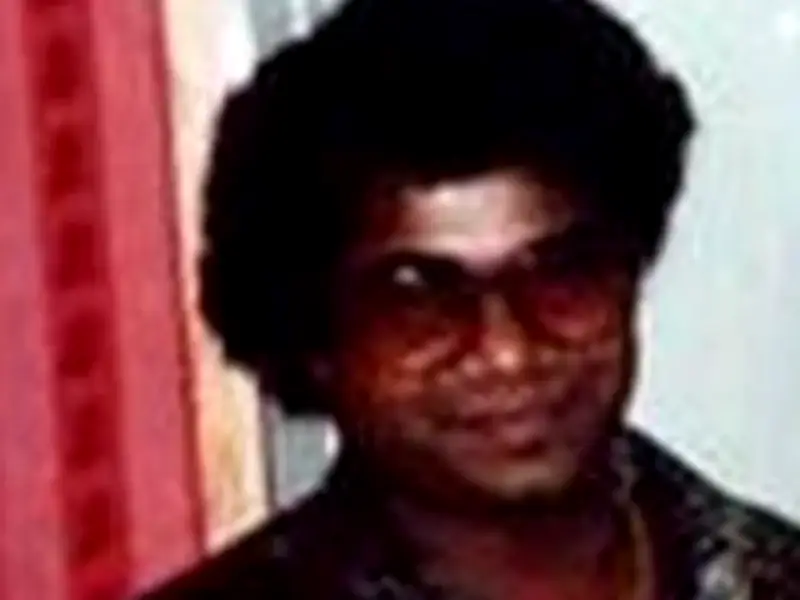
The murder of waiter Shamsuddin Mahmood in Orkney in 1994 has been under a shadow for 32 years. Now, the Scottish Criminal Cases Review Commission has announced a review of the case. Michael Ross, convicted in 2008 for the murder, continues to protest his innocence.
The 1994 Killing in Kirkwall
On June 2, 1994, around 7pm, a masked man calmly entered the Mumutaz Indian restaurant in Kirkwall, the island's main town. He walked up to a young waiter named Shamsuddin Mahmood and shot him at point blank range in the head without saying a word. The restaurant was busy with customers, including young children.
The killer quickly made his escape, running out of the curry house into the main street before disappearing from view. The death of the 26-year-old Bangladeshi national and university graduate shocked the island community. It was the first murder on the island since 1968, and police were brought in from Inverness on the mainland to probe the killing. Rumours and gossip were rife in the small community, with rumours of a contract killing.
Police Investigation and Suspicions
Eye-witnesses described the murder as like a scene from an American gangster movie. Police struggled from the start, with no obvious motive. The victim had arrived in the UK from Bangladesh in 1991. He was friendly, popular, and had no enemies. After working the summer in Orkney, he planned on returning to Bangladesh to get married. No one on the relatively crime-free island could believe such a brutal murder could be carried out by a local man.
However, police quickly began to suspect a colleague's son, 15-year-old Michael Ross, who had a keen interest in guns and was an army cadet. He had been seen in a wooded area of Kirkwall two weeks prior to the murder wearing a balaclava. Before joining the former Northern Constabulary, his father Eddy had served in the military and was a firearms expert.
Conviction and Claims of Innocence
After the shooting, PC Ross had been given the role of investigating the rare 9mm bullet casing found at the murder scene. He later admitted to colleagues he had a box of the same type of bullets in his own home. At the time, no charges were made against Michael due to insufficient evidence. Eddy Ross was convicted of 'Perverting the Course of Justice' in 1997 over the bullets and would serve two years of a four-year prison sentence.
Michael Ross joined the Black Watch Regiment, rose to the rank of sergeant, and received a commendation for bravery in Iraq. He also married and had two daughters. Since his conviction in 2008 for the waiter's murder, Ross has always protested his innocence. He has the backing of a local Orkney campaign group 'Justice 4 Michael Ross', who say there is no forensic evidence linking him to the crime and no prior connection with the victim. They also point to a glaring discrepancy between witness descriptions of the gunman as 6ft while Ross was only 5ft 7in.
Review and Media Attention
The Scottish Criminal Cases Review Commission, which looks at alleged miscarriages of justice, announced a review of the case last month. The murder has also attracted media interest over the years. Last year, Amazon Prime aired a documentary 'The Orkney Assassin: Murder in the Isles', while BBC Scotland broadcast their own three-part series 'The Man in the Mask: An Orkney Murder'.
In an interview last year, Ross said: "I can't be any clearer. I never murdered Shamsuddin. There's a view that I had done this, to see how it felt to kill somebody. The thought of doing something like that was just totally out of the question. All I ever wanted was to join the Army, be a soldier. Get married and have a family and have a normal family life."