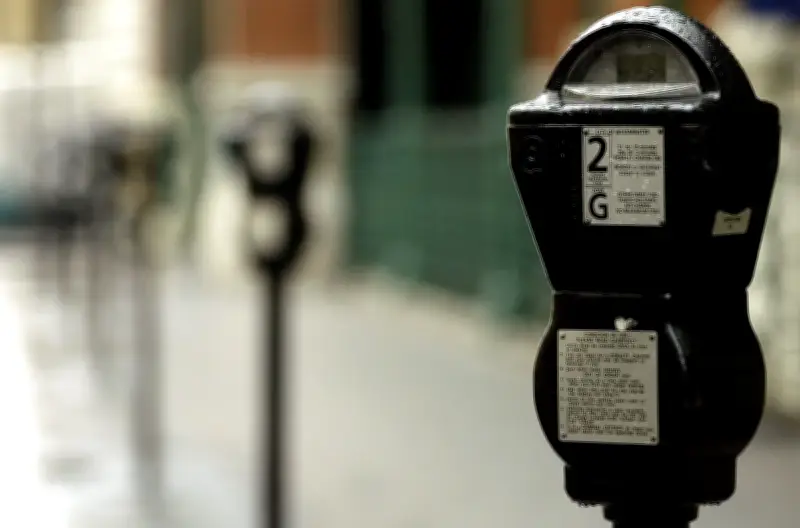
Drivers in Hammersmith & Fulham will face above-inflation increases to on-street parking charges from January 2027 after the council approved a new pricing plan aimed at reducing car journeys.
The biggest rises will be paid by motorists driving the most polluting vehicles, with parking charges increasing beyond the rate of inflation under proposals approved by the council's cabinet.
RingGo sessions affected
The increase only applies to on-street parking sessions booked through RingGo. Other council-set charges, including parking permits, visitor permits and shopper bays, will receive smaller inflation-linked increases.
Council officers said the move was needed because parking demand has continued to rise despite efforts to encourage greener travel choices.
According to a report presented to councillors, on-street parking sessions increased from 2.36 million in 2024-25 to 2.47 million in 2025-26.
Emissions-based charging
At the same time, the council said the number of electric and hybrid vehicles using on-street parking had risen significantly following the introduction of emissions-based charging.
The report added that designated shopper bays, parking permits and visitor permits are exempt from the proposed increase, which will instead receive an inflationary rise. Residents with parking permits will also be able to continue parking for free at all times in their home Controlled Parking Zone (CPZ).
“The vehicle mix is changing in line with the council’s emissions bands policy: electric and hybrid sessions combined increased by 27.9 per cent between 2024/25 and 2025/26,” the document stated.
“However, the increase in total parking sessions shows that cleaner vehicle choices are not the same as fewer car journeys.”
New charge bands
The new charges as proposed range from £3.80 an hour for the least polluting vehicles in Band 1, 90 pence more than if it increased with inflation, to £9.60 for Band 7. Those in the latter band currently pay £7 an hour, which would have risen to £7.40 if linked to inflation.
Cabinet member for climate emergency and travel Nicole Trehy said the authority was trying to discourage unnecessary short car journeys.
"Parking sessions continue to grow rather than reduce, completely counter to the council's objective of reducing and disincentivising short car journeys," she told the meeting.
Conservative group leader Jose Afonso criticised the proposal, arguing councillors did not have sufficiently detailed information about who would be affected.
During the debate, council officers said previous checks suggested around 9 to 10 per cent of RingGo parking sessions were made by residents, although they were unable to provide an up-to-date figure at the meeting.
Council leader Stephen Cowan defended the increase, arguing many parking sessions were generated by visitors travelling into the borough to use attractions including shopping centres, railway stations and football grounds.
The new charges are due to come into force in January 2027.