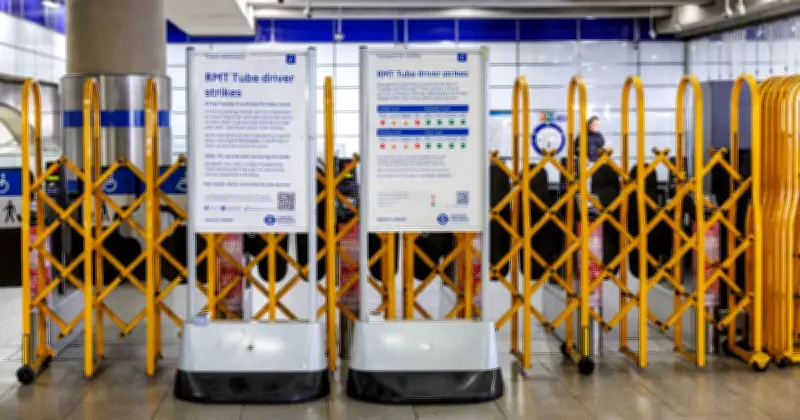
A guest columnist has criticised London Underground drivers for repeated strike action, noting that average salaries are set to approach £80,000 a year next year. The comments follow a day of severe disruption on the network, with one train every ten or fifteen minutes and packed carriages.
Disruption and Strike Schedule
Robert Taylor, writing as a guest columnist, described travelling on the Northern Line at 3pm as a "massive mistake," with trains so crowded that a woman to his left was having a panic attack. Getting off at London Bridge was, he said, like being "spat out of a sausage machine."
Strikes are scheduled for today, December 17 and 19, two more dates during the January sales, and three further dates before the end of February. These follow several strikes in 2022, four in March 2023, five last year, and two more in June just gone.
Pay and Working Arrangements
The industrial action relates to Transport for London's proposed four-day week and accompanying changes to working arrangements. The columnist questioned whether any grievance justifies grinding London to a halt and subjecting ordinary people to such misery.
The average Tube driver, by next year, will be on nearly £80,000 a year, which the columnist compared to a headteacher's salary and said is about 75% more than a nurse gets. He described the pay deals as "bribery" and noted that drivers are in the top 10% of all earners.
Impact on Passengers and Calls for Change
The columnist asked why Londoners are not protesting in their millions, suggesting they have become accustomed to the misery and absurd unfairness. He said Sadiq Khan may not negotiate pay deals himself but is responsible for the decisions that have made them possible, which he said should disqualify him from public office.
He expressed gratitude for not having to use the system daily and for being fit enough to walk if needed, noting that others rely on the Tube for work, school, and hospital appointments. He called for driverless trains, saying "the sooner the better," and predicted the situation will continue until then.