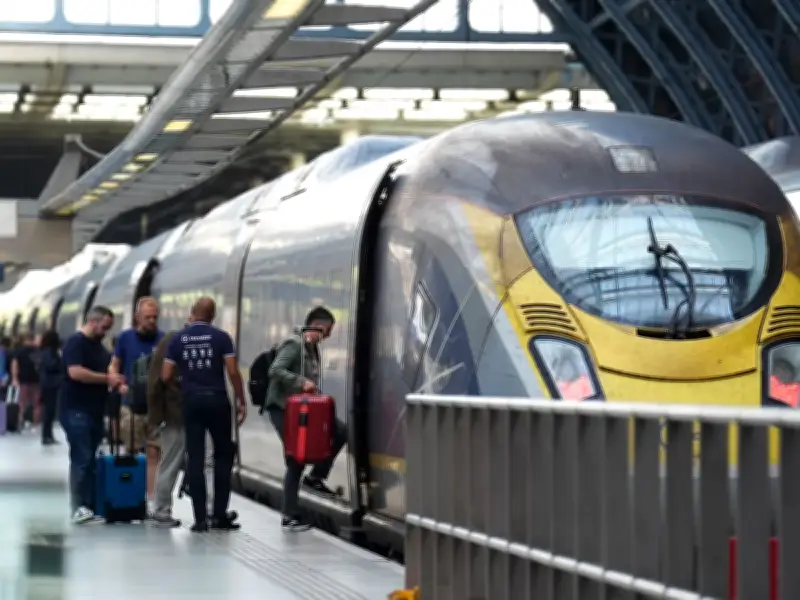
Passenger capacity for rail travel to Europe through St Pancras International is set to double, with plans to handle 5,000 international passengers per hour by 2029 and launch new direct services to destinations such as Frankfurt and Geneva.
London St Pancras Highspeed and Eurostar are progressing with the next stage of their plans to increase international passenger capacity at the station. The goal is to move 5,000 international passengers through the station per hour by 2029, while introducing new direct services from the UK to European hotspots like Frankfurt and Geneva.
Expansion Plans and Design Phase
The initiative follows the initial design phase of the St Pancras Enhancement Programme, which aims to ensure the station can accommodate passenger growth while supporting Eurostar in expanding its network of routes and services, as well as new international operators.
Capacity at St Pancras has long been an issue, caused by post-Brexit EU border checks, overlapping schedules, and strict heritage building constraints that have limited how easily spaces can be reconfigured. In recent years, long queues have snaked out of the train station into the street when there have been issues on the tracks.
Competition and Investment
Increased competition from rival rail firms is a driving force behind the station expansion. Virgin hopes to run high-speed trains to Paris in the coming years, while half a dozen other rail companies have also explored entering the market, including Italy's Trenitalia. In response, Eurostar is planning to invest up to €2 billion (£1.67 billion) in purchasing 30 new trains – with an option for 20 more – scheduled for delivery starting in 2031.
A station redesign and operational improvements identified in early design work revealed that the station could provide substantially greater capacity for international passengers without requiring major structural work. Plans will be developed to transform the international areas of St Pancras, making better use of the existing footprint and offering a smoother journey through security, border controls, and boarding.
Phased Programme and Next Steps
The wider programme is being set out in phases, combining developments to operational processes, a significant station redesign in the international areas, and longer-term opportunities to further increase capacity. Moving forward, the next design phase will outline it in greater detail, including the construction plans for St Pancras and the investment required for the major expansion of Eurostar and the London station.
Richard Thorp, Chief Operating Officer at London St Pancras Highspeed, said: "Moving into the next design phase is another important milestone in our plans to transform St Pancras International and prepare the station for the next chapter of international rail. Working with Eurostar and Hawkins\Brown, we have shown that there is a clear route to significantly increasing the number of international passengers the station can accommodate, while improving the experience for people travelling through it. Our ambition is to create the capacity for around 5,000 international passengers an hour, helping existing services to grow and creating the conditions for new operators and destinations to come to St Pancras. This is about ensuring that our iconic station is ready to meet growing demand for international rail and fulfil its potential as the UK’s gateway to Europe."
Simon Lejeune, Chief Safety and Stations Officer, commented: "Our investment in new trains and plans for direct services to Frankfurt and Geneva will open up more opportunities to travel by rail. Growing capacity at St Pancras is essential to turning those ambitions into reality. Working with London St Pancras Highspeed, we want to make the journey through the station smoother, from security and border checks to boarding. Moving to the next stage of design brings us closer to welcoming more passengers and giving them a better start to their journey to Europe."