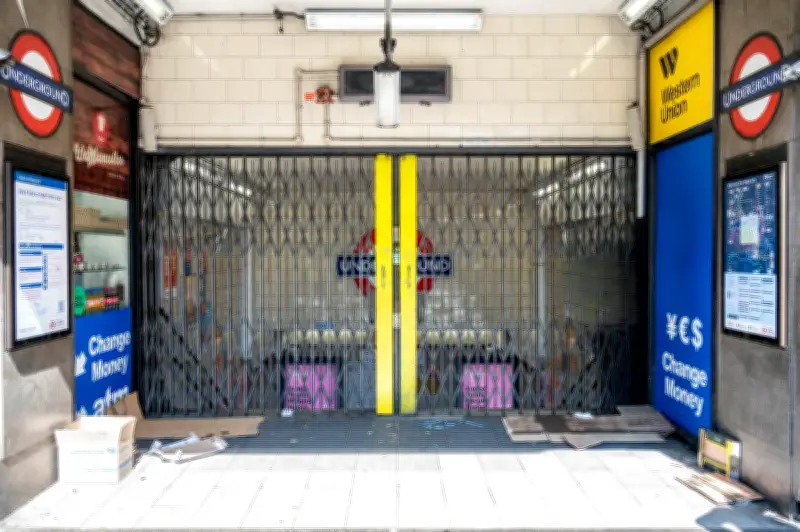
Seven more Tube strikes are planned in London between December 17 and February 25, with one walkout set to coincide with the capital's busiest shopping weekend of the year.
The industrial action is part of a series of eight strikes called by the RMT union over proposals by Transport for London (TfL) for a voluntary four-day working week. The first 24-hour walkout brought parts of the network to a standstill across Thursday and Friday.
Strike dates and impact
The upcoming strike days include Saturday, December 19, which falls on Super Saturday, the final Saturday before Christmas when thousands of shoppers usually descend on the capital to buy presents. Other strikes are planned for Thursday, December 17, Monday, January 4, and Wednesday, January 6, affecting Londoners returning to work after the festive period. Further walkouts are scheduled for Wednesday, February 17, Tuesday, February 23, and Thursday, February 25.
During the first strike, major Tube lines including the Metropolitan, Bakerloo, and Piccadilly lines were partially suspended, while the Circle line did not run at all on Thursday afternoon. TfL said more drivers reported for work than expected, allowing parts of the network to operate for longer than initially predicted. The Piccadilly line continued running into the evening, despite TfL previously warning it would have no service for most of the day.
Disruption and recovery
Images from the strike showed overcrowding at Tube platforms, crammed carriages, and queues up escalators as Londoners dealt with severe delays and suspensions. Disruption spilled over onto the capital's streets, with traffic maps showing congestion throughout central London, while businesses took a hit from a loss of revenue. The strike officially ended at midday on Friday, but services were still struggling to recover some hours later.
Why the strikes are happening
The industrial action is taking place in protest of the proposed four-day working week. RMT and TfL have failed to come to a resolution at a last-ditch meeting on Tuesday. The union claimed the proposal would lead to longer hours for drivers, but TfL said the change would be voluntary and would mean fewer hours overall. Strikes held earlier this year were over the same issue.
Rival union Aslef has backed TfL's proposals, saying the reforms would give drivers, many of whom earn more than £70,000, more time away from work and cut rostered hours to 34 from the current average of 36.
RMT general secretary Eddie Dempsey said: "London Underground is attempting to dress up a wholesale attack on drivers' working conditions as a voluntary four-day week. But there is nothing voluntary about a scheme that forces drivers to give up existing protections whether they work four days or five, and threatens those who refuse with displacement from their depots."
In a social media post, the union said: "We understand the frustration and disruption passengers have experienced as a result of the strikes. But behind every strike are real people with genuine concerns about working conditions, their families, and the safety of the travelling public." The post went on to share views from train drivers who expressed concern about mental fatigue and burnout.
Nick Dent, Director of Customer Operations for London Underground, said: "We apologise to customers and businesses for the disruption they are experiencing due to the strike action by the RMT. I am pleased that we have been able to offer a better service across the network than we had anticipated, particularly on the Piccadilly line where we are offering an end-to-end service despite this action. The number of drivers who have come to work today shows that there is a difference in views among drivers on our four-day week proposals and we urge the RMT to put the proposals, which have changed significantly since they were last balloted, to their members."