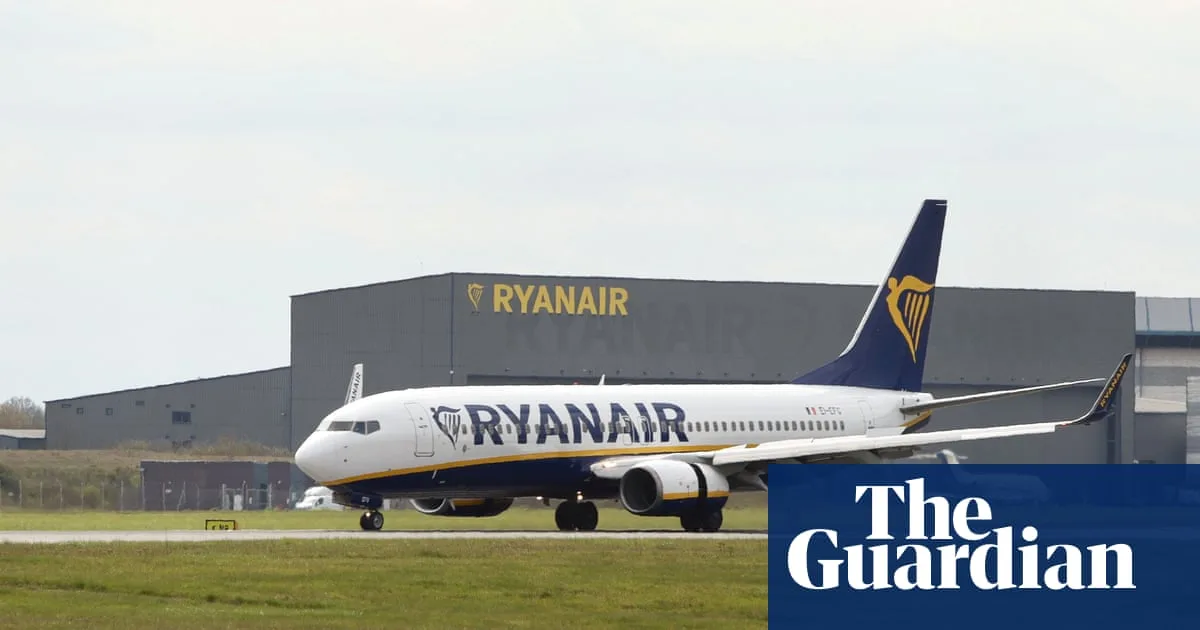
The United Kingdom is the most vulnerable country in Europe to potential jet fuel shortages as the Iran war disrupts Gulf supplies, according to Ryanair chief executive Michael O'Leary. He warned that Britain's reliance on Kuwait for about 25% of its jet fuel supply makes it particularly exposed.
Speaking on Wednesday, O'Leary said: 'Of all the European countries at the moment, the one that is most vulnerable is the UK because of the market share that the Kuwaitis have here.' He added that even if there were a surplus of jet fuel in the Middle East, shipping it to Europe remains uncertain.
The war in Iran has triggered a surge in jet fuel prices, with the International Airport Transport Association reporting an average of $195 a barrel last week, more than double the average last year. The closure of the Strait of Hormuz, through which over a fifth of the world's oil normally passes, has been a key factor. Oil prices eased on Wednesday after US President Donald Trump said he wanted the war to end within 'two to three weeks', with Brent crude slipping below $100.
Ryanair has hedged 80% of its fuel costs until next March at $67 a barrel, but O'Leary stressed that supply disruption, not price, is the bigger concern. 'Nobody is willing to give us any assurances into June or July,' he said, warning that if 10% to 20% of fuel supply is at risk, airlines may need to cancel flights or reduce capacity.
O'Leary declined to rule out higher fares, citing increased competition for short-haul journeys in Europe, particularly over Easter and as demand shifts away from the Gulf. Ryanair also reiterated its call for the UK government to abolish air passenger duty (APD), which increased on Wednesday, adding £2 to short-haul economy flights. O'Leary argued that this makes UK air travel less competitive compared to countries like Sweden, Hungary, Slovakia and regional Italy, where environmental taxes are being abolished.