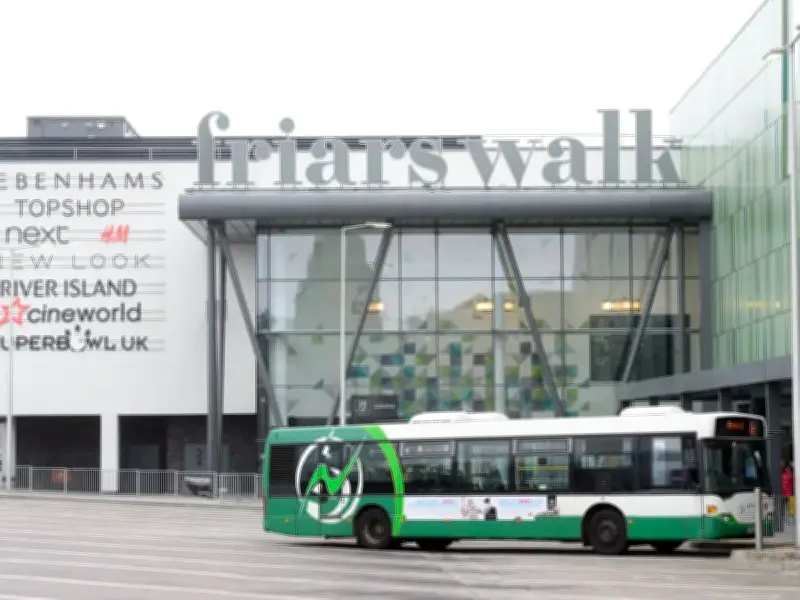
Newport Transport, which trades as Newport Bus and is wholly owned by Newport Council, has reported an operating loss of £3.62m for the year to the end of March 2025, compared with a profit of £745,642 the previous year. Losses after tax stood at £2.76m.
The company's latest accounts also point to unaudited figures for the year to the end of March 2026, showing further losses of £2.65m, while unaudited management accounts to August 31, 2026, reveal losses of £581,187 for the five-month period, with net current liabilities of £5.51m.
Material uncertainty over going concern
Although the directors consider the business remains a going concern, the accounts state: “These conditions indicate the existence of a material uncertainty which may cast doubt on the company’s ability to continue as a going concern.”
Directors are implementing commercial changes and a cost-cutting exercise, which have resulted in an improvement in the company’s trading position at August 31, 2026, compared with the previous year. The accounts state: “The directors are confident that they can return the company to profitable trading with positive cash generation in the foreseeable future.”
In October the company secured £3.25m through a sale-and-leaseback arrangement covering its entire land and property estate. The directors believe this will enable the company to pay its liabilities as they fall due for at least the next 12 months.
Revenue up but costs hit bottom line
Like-for-like revenue increased by £6.3m to £19.4m, but the use of agency staff, increased costs of its own labour, rising fuel and electricity charges, and higher insurance costs severely affected the bottom line. Passenger numbers also increased from 4.27m to 4.8m, although they remain below pre-Covid levels. Online shopping is also having an impact on bus usage.
Welsh Government bus franchising is designed to ensure a more joined-up public transport system in Wales, bringing together rail, bus and active travel under an overall central plan and a single ticketing system. The current subsidy support model gives the Welsh Government little control over the routes bus companies operate, leading some private operators to focus more on the most profitable routes.
The franchising model, which aims to encourage SME operators alongside larger companies, will see Transport for Wales take on revenue risk as part of an integrated central public transport plan for Wales, with successful franchise operators being incentivised to achieve set performance targets.
Franchising ‘biggest threat’
A spokesman for Newport Transport said: “The biggest threat to the medium-term success of the company is the Welsh Government policy introducing franchising across Wales.
“Franchising is due to happen in the southeast region of Wales in 2030, providing the programme timing does not slip in the two regions to be franchised before the southeast. Whilst the primary legislation has been given Royal Assent, much of the secondary legislation which will underpin the process remains to be published.
“Newport Transport has continued to liaise with Transport for Wales in its road map to franchising but despite the positivity of the relationship there still remains no guarantee that Newport Transport will win the franchise in this or any other area, which will largely depend on the way routes are packaged for the tender process. This will also have implications for the other areas of the business which fall outside the local bus operation.”
The company, which employs around 270 people, said the labour market for driving staff continues to be difficult, with a combination of government living wage increases and cost-of-living pressures pushing wage costs, the company’s largest expense, to levels that cannot be matched by rising ticket prices. It said the wars in Ukraine and the Middle East have demonstrated how susceptible world supplies and pricing of diesel and electricity can be to global incidents.
Road infrastructure concerns
Newport Transport said the promise by the Labour Welsh Government, under Mark Drakeford, to improve road infrastructure to support buses had not materialised, following a decision not to proceed with a £1.2bn M4 Relief Road. The Burns Commission, established by the Welsh Government following its decision on the M4, also recommended a network of new railway stations between Cardiff and Newport. The first stations to be taken forward are Cardiff Parkway and Magor and Undy.
The spokesman said: “Much was made of the Burns Commission assessment of the congestion problems around Newport and the M4 motorway. However, to date very little has actually been delivered that has a positive impact on bus speeds, with no new bus priority delivered in a number of years.
“A further evaluation of the M4 around Newport by the Welsh Government will soon be taking place, which may result in the closure of some of the M4 junctions in Newport. This would probably lead to increased congestion on already choked arterial roads in Newport.”