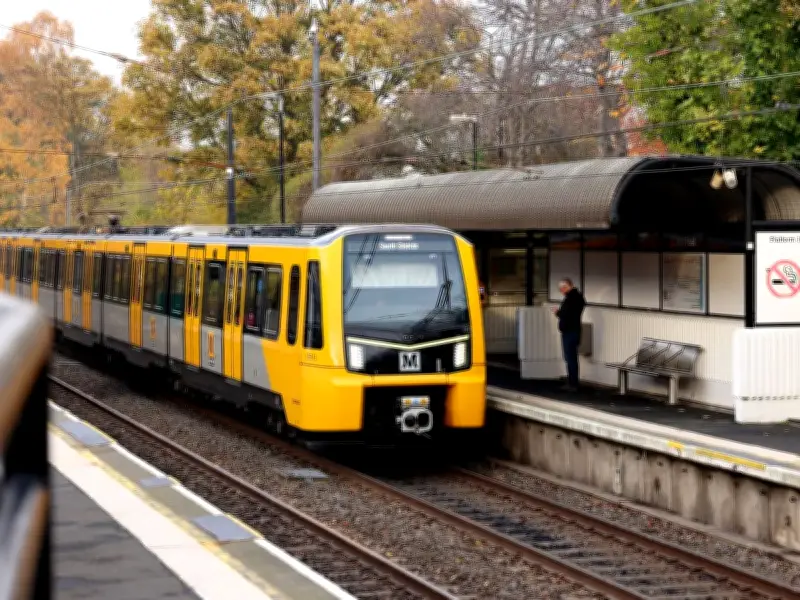
A passenger group has criticised planned cuts to Tyne and Wear Metro services on Saturday mornings, as part of a new timetable due to take effect next month. The changes will reduce frequency from every 15 minutes to every 20 minutes before 9.30am on Saturdays, a move that has sparked concern for passengers who rely on the service to get to work.
Saturday frequency reduction
The new timetable, which starts on December 13, will see a promised increase in weekday services from a minimum of five to six trains per hour. However, transport bosses at Nexus have confirmed that before 9.30am on Saturdays, each line will operate at a 20-minute frequency, compared to the current 15 minutes, citing a lack of demand.
Vicki Gilbert, of the North East Public Transport Users Group, told the Chronicle: "It's surprising and disappointing to see a reduction in Metro frequency anywhere in the timetable now that we have a new, more reliable fleet of trains in service. Saturday morning services are vital for many workers, including retail staff, and a reduction in frequency will affect journeys to work."
Concerns over consultation
Gilbert also raised questions about the lack of public input into the changes. "There's a wider question here about the input of public transport users on changes that affect them. The reasons for these changes are unclear, there has been no public consultation, and we are unsure if an equality impact assessment has been carried out. A public service should be run with the public in mind," she said.
Nexus confirmed details of the new timetable last week, saying it had been "developed using customer demand and operational data and includes a range of service improvements, including adjusted frequencies and earlier and later journeys on parts of the system". The weekday daytime increase will start on December 13 and will ultimately mean a train arriving at least once every 10 minutes on every platform across the network.
Rollout and infrastructure delays
Initially, the increased weekday frequency will only apply on the Yellow Line between St James and South Shields, and on the Green Line between Airport and Pelaw. The uplift will not reach Sunderland until spring 2027, with the delay blamed on the need for infrastructure upgrades on the Wearside section of the Metro network, which is owned by Network Rail.
Further changes will include earlier first trains towards Newcastle city centre during the week and later departures from Newcastle in the evenings. The Metro's Sunday morning frequency will be increased from half-hourly to once every 20 minutes.
Kevin Storey, Operations Director at Nexus, said: "The new timetable, introduced from 13 December, represents an uplift in the frequency of services on the Tyne and Wear Metro at times when customers need them the most. Introducing six trains per hour is a major step forward, offering greater convenience and reduced waiting times."
Storey added: "It will mean that we can run more frequent services on busier weekdays and on Sunday mornings. The new timetable has been developed based on customer data, providing adjusted frequencies where required, such as the increase on weekdays, along with some earlier and later journeys on parts of the system. It has been made possible by the roll out of our new Metro train fleet, combined with our track dualling work in South Tyneside – the Metro Flow project. On Saturdays, from the start of service until 9.30am, there will be a 20-minute frequency of service as this is when Metro sees a lower level of patronage. From 9.30am until 6pm the Saturday frequency will be unchanged at 12 minutes."