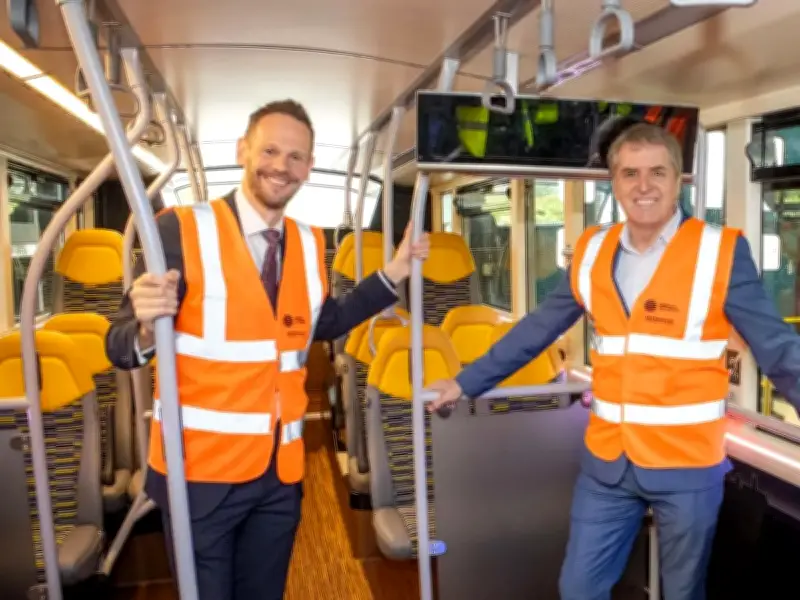
Metro Mayor Steve Rotheram has admitted there will be “short-term pain” as the roll-out of new publicly operated buses continues, and apologised to passengers who have experienced problems on the network.
For the first time in 40 years, the first tranche of services taken in house began in September as routes started in St Helens. Last month, Wirral became the second of the six local authorities across the Liverpool City Region to welcome the new vehicles.
However, there have been reports of teething problems since the launch, including concerns about mobility access on some of the fleet and services either running late or not turning up at all.
Apology over teething problems
Addressing these issues on a BBC Radio Merseyside phone-in, Mr Rotheram said improvements to the services would not be fully felt until the complete roll-out of publicly owned services next year.
He said: “I would say and I’ve said this all along, every time there’s a big change - and this is a big change, the biggest change in 40 years on the buses - there’s bound to be a bedding in period. I’m not excusing it by the way and I apologise to anybody who’s had to go through that, but we’re putting new services on, there are brand new buses over on the Wirral, so we’re improving the service in the long run, but there is some short-term pain and for that I unequivocally apologise.”
He also explained how bus operator Go North West would be monitored under the new franchise agreement.
Performance monitoring and new routes
The move to bring buses back under public control gives the Liverpool City Region Combined Authority the power to set fares and decide on which routes and timetables to run. As part of the roll-out, a series of new routes are being developed, including new services linking to both Arrowe Park Hospital and Clatterbridge Cancer Centre on the Wirral.
An all-new bus fleet will also be rolled out across the network, decked out in the region's distinctive yellow and grey Metro livery. The low-emission vehicles include better seats, USB charging and more space for wheelchairs and prams. All new and existing bus numbers will now start with a 4 – for example, the service 17 will become 417.
Mr Rotheram said: “Every bus has got a GPS so we know exactly where it is, so we can track it and we can track its reliability and its punctuality and that forms part of the contract we have with the bus operating company. They’ll be fined if those things aren’t met, so if they’re running behind schedule or not turning up.”
Future improvements and app plans
Mr Rotheram said once the full roll-out was complete, he hoped to introduce an app that would advise where services were at any given time. Asked if he had anticipated push back on the landmark move, he added: “I knew it was going to get battered.
“What happened beforehand is it was either Stagecoach or Arriva’s fault wasn’t it? Now of course, it’s going to be my fault.
“That’s fine because we will see the changes and improvements incrementally in the bus offer and it’ll be fairer, cheaper, quicker, better quality, all of those things will come, but unfortunately at this moment in time we haven’t got the whole network so people can’t see the benefits as against what we used to have.”