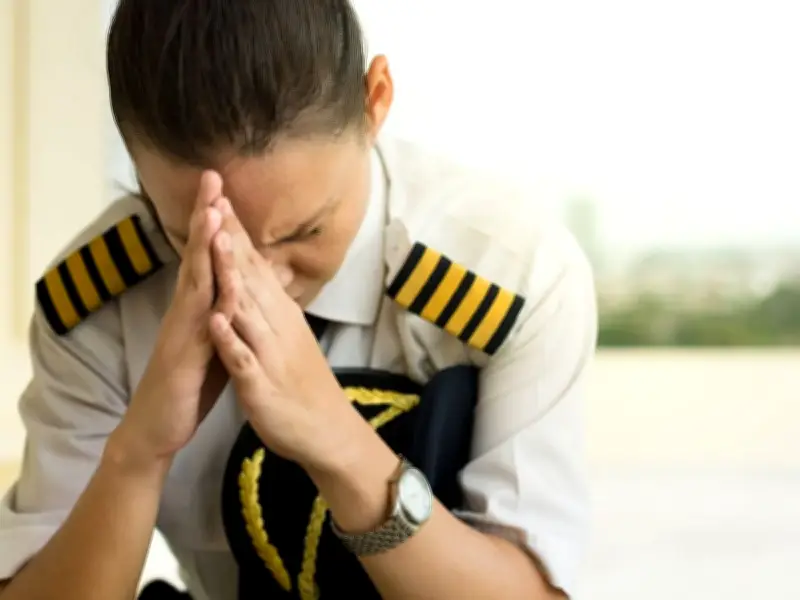
A new survey of 7,200 pilots by the European Cockpit Association (ECA) has found that 77% experienced at least one microsleep while operating an aircraft in the previous four weeks, with 24% admitting they usually continue flying rather than report themselves unfit due to fatigue.
The report linked fatigue to excessive workloads and warned of "insufficient rest to prevent cumulative fatigue", with flight duties extending "beyond legal maximums". It also suggested fatigue was "underreported across the industry", with pilots reluctant to raise concerns because they feared repercussions from their airlines.
Fear of Punitive Action
"Airlines' reporting systems are often seen as neither effective nor trusted, and a substantial share of pilots fly fatigued because of fear of a punitive reaction from their airline," the report said. It highlighted particular concerns at low-cost airlines and identified Ireland and Malta as countries where the problem was most pronounced.
Just 37% of respondents said they report themselves unfit when fatigued, while nearly two in five feared punishment or a "retaliatory response" for reporting fatigue.
Pilot Testimony
One commercial airline pilot, who asked to remain anonymous, told the Mirror he had fallen asleep in the cockpit "many times". "I have the responsibility of 234 souls, and I can legally work up to 14 hours straight, not including the repositioning. But after many years I realised nobody cares because, at the end of the day, no airplanes are falling from the sky," he said.
"After many nights in-flight, you experience microsleeps from a few seconds up to two to three minutes, but you do not realise and it's subtle because you might seem to be aware, but you are technically sleeping. It impairs your situational awareness and your judgment ability. But...as I said, nobody cares."
Calls for Regulatory Action
ECA president Captain Tanja Harter called for action from airlines and regulators. She said: "The numbers in this report – and the lack of any meaningful improvement over the past three years – are a clear wake-up call for airlines, authorities and the EU Aviation Safety Agency (EASA). Something must change in the way Europe deals with pilot fatigue."
The British Airline Pilots Association (BALPA) also described the findings as worrying and backed calls for stronger fatigue rules and reporting systems that do not penalise pilots for raising concerns.
Joji Waites, BALPA director of flight safety, policy and regulation, said: "The ECA's survey of almost 7,200 pilots is a clear safety signal. That 24% of pilots usually continue flying rather than report themselves unfit due to fatigue is a concern. Aviation is the safest mode of transport through pilots' expertise and professionalism in tandem with other aviation professionals; however, fatigue remains one of the most significant threats. Safety margins cannot hold if pilots are routinely rostered to the upper limits of their flight and duty time limitations (FTL)."
"With almost half of pilots fearing repercussions for reporting fatigue, we fully support ECA's call for EASA to strengthen fatigue rules and enforce non-punitive reporting and responsible calls on the use of commander's discretion."
Waites added: "BALPA thanks the ECA for the considerable work involved in gathering this data. We are still running our Realtime fatigue app to collect actionable intelligence on UK pilot fatigue, so combined with the ECA's findings, we can create a clear picture of pilot fatigue, which will be fed into the CAA's ongoing FTL review."