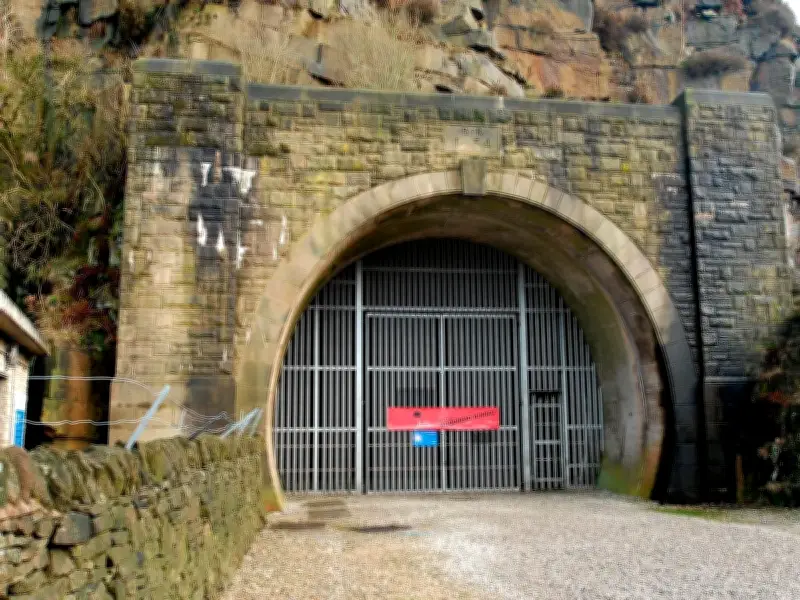
Future Works has unveiled plans for a 14-mile underground dual carriageway beneath the Peak District National Park, aiming to cut journey times between Manchester and Sheffield by 30 minutes. The project, named 'Trans-Pennine Connect', would reuse the Woodhead tunnel routes and restore the old Woodhead railway line, which closed half a century ago.
Reviving a historic corridor
Michael Dnes, co-founder of Future Works and a former civil servant at the Department for Transport (DfT), described the route as one of the 'most important transport corridors for the last 1,000 years' that is 'now stuck in the 1950s'. The scheme is estimated to cost around £2bn, significantly cheaper than the government's estimate of £10-12bn when it was considered in the 2010s, before being scrapped in 2021 as feasible but too expensive.
Speaking at St Mary's Parish Church in Hollingworth on November 24, Dnes explained the historical significance of the road, which was once crucial for the Cheshire salt trade. He noted that the creation of the national park in the 1950s left the route neglected, with the M62 becoming the main artery through the Pennines.
Cheaper tunnelling method
Future Works, co-founded with Ewan Forrest, proposes using the 'drill and blast' method of tunnelling, as used in Scandinavia. The Norwegians built the world's longest road tunnel, the 24.5km Lærdal, for around £130m, whereas the British approach of a tunnel-boring machine is costlier. Experts from Norway and geologists believe the hard rock in the Pennines could allow the cheaper technique to work.
The team has secured £500,000 from the UK Dynamism Fund for a feasibility study to determine if the vision is achievable at the proposed price.
Benefits and community concerns
Key benefits cited include a route 40 miles shorter than the M62, better weather resilience, reduced rail journey times, improved road safety, and a £2.5bn productivity boost to the regional economy. However, residents raised concerns about the route above Hollingworth, tolls to repay investors, and potential increases in HGV traffic. One Green Lane resident said: "My property will be one of the ones affected. You're a start-up working off private investment." Dnes denied the accusation, saying: "We want this to be something that makes life better here."
The route would start where the M67 ends, connecting to the current bypass under construction, go above Hollingworth, and go underground from Tintwistle, emerging near Langsett in South Yorkshire. The exact mapping is not finalised, but the corridor is set.
Funding and timeline
Future Works suggests the project could be funded by pension funds or local authorities, repaid through tolls. A spokesperson said: "High demand for the route means that the project could pay for itself, without the need for Westminster funding." The team hopes to have outline plans by mid-2027, detailed designs by the end of next year, planning permission by 2030, and the tunnel open by 2035, though Dnes cautioned from his 20 years of experience that snags are common.