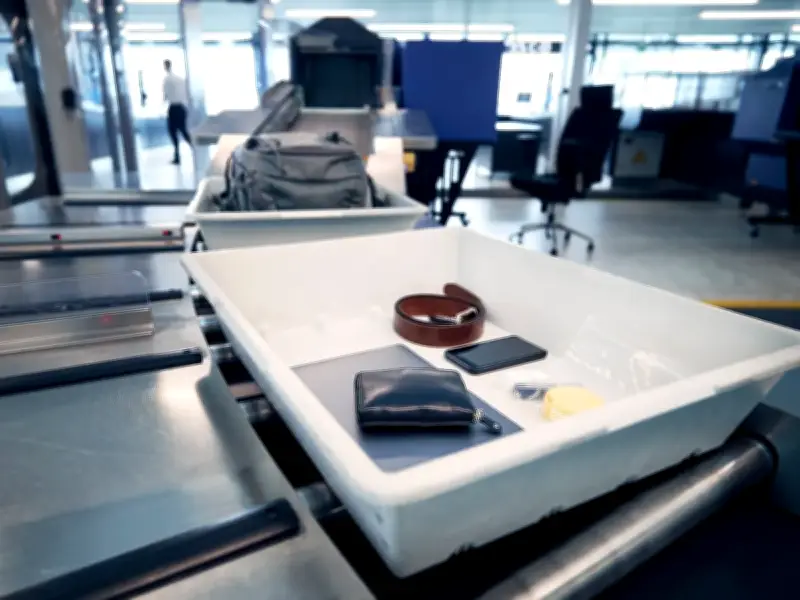
UK travellers are being reminded that electronic devices such as phones and laptops must be charged before reaching airport security, or they risk having them confiscated. The warning comes from the UK government's official guidance on hand luggage, which states: "Make sure your electronic devices are charged before you travel. If your device does not switch on when requested, you will not be allowed to take it onto the aircraft."
What the rule means for passengers
Airport security staff may ask passengers to demonstrate that gadgets such as phones and laptops can be powered on. If a device is turned off or has no battery, it is likely to be confiscated, and the owner will not be permitted to carry it onto the plane. This applies regardless of the airline, whether flying with TUI, easyJet, Ryanair or Jet2.
The fix is straightforward: charge all gadgets before leaving for the airport. The policy is not unique to UK airports, as a number of European and US airports also enforce the same rule.
Airlines' rules on gadgets and batteries
Travellers are also advised to check their airline's policy on which gadgets can be taken onboard. Most airlines permit items such as mobile phones, laptops, tablets, hairdryers and electric shavers in luggage, but hand luggage rules can vary by carrier.
Lithium batteries have faced increased scrutiny in recent years, with most airlines requiring gadgets to be in hand luggage rather than hold luggage. According to safety specialists at the UK Civil Aviation Authority (CAA), lithium batteries present a hazard on aircraft due to their susceptibility to "thermal runaway". As a result, airlines including TUI, easyJet and Ryanair have strict policies on what can be packed in hold luggage versus what must stay in a cabin bag.