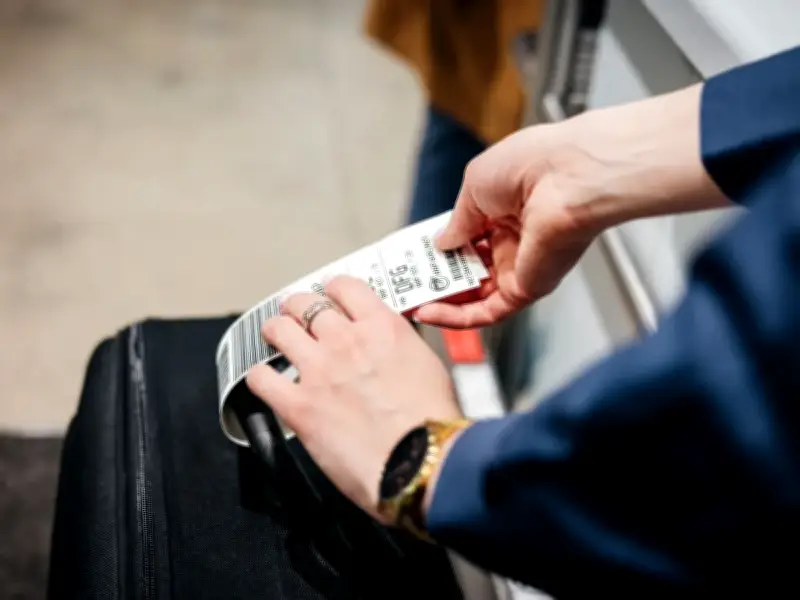
Holidaymakers are being advised to take three quick photographs of their luggage before handing it over, a habit that could prove useful if a suitcase goes missing or arrives damaged. A picture of a suitcase alone may not give the full picture if travellers later need to identify lost belongings or explain damage.
What the three photographs should show
Arber Abdullahu, a travel expert at TripSIM, recommends photographing the outside of the case, its contents before it is closed, and the baggage receipt issued at check-in. He said: "When your suitcase doesn’t appear on the carousel, you suddenly need details you may never have thought about."
A clear exterior photo can help distinguish a case from the many similar bags moving through an airport, particularly if it is a common colour or design. The UK Government advises that a photo of luggage can help if it does not arrive, recommending passengers provide the baggage receipt from check-in, which contains the bag’s identification code that airline staff can use to trace it.
Evidence for claims and damaged bags
The second picture should show what is packed inside, ideally with belongings laid out clearly before the case is shut. The Canadian Transportation Agency also advises passengers to photograph their baggage and make a list of its contents, while the UK Civil Aviation Authority says people making claims may need evidence of the value of lost or damaged items.
Photographs can help jog a traveller’s memory, but they do not prove how much an item cost or guarantee that an airline will pay a claim. Keeping receipts, card statements and other proof of purchase can strengthen the evidence available if belongings go missing.
The third picture should be a readable image of the baggage receipt or tag provided when the suitcase is checked in, with the identification number clearly visible. Mr Abdullahu recommends keeping the original as well as the photograph, and saving copies somewhere accessible without an internet connection.
If a suitcase arrives damaged, passengers should report the problem to the airline before leaving the airport and take pictures of the damage. The Civil Aviation Authority says a written claim for damaged baggage must be submitted within seven days, while claims for delayed baggage must be made within 21 days of the bag being returned. A Property Irregularity Report can help document the problem, but it does not guarantee that a claim will be accepted. Keeping the photos, baggage tag, report number and relevant receipts together can make it easier to provide the information an airline asks for.