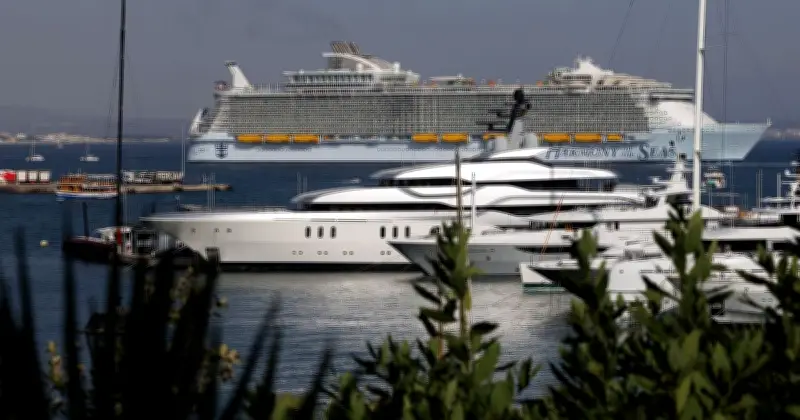
Cruise ship numbers in Palma de Mallorca will be capped at three per day under a new agreement, with passenger numbers reduced during the peak summer season, following concerns over overtourism.
The Balearic Government, Palma Town Hall and the Cruise Lines International Association (CLIA) have signed a memorandum of understanding, according to the Mallorca Daily Bulletin. The deal sets a hard limit of three cruise ships per day and a reduction in passenger numbers during the summer peak.
Tourist numbers in Mallorca
Palma is the capital of Mallorca and a key tourism hotspot, particularly for British visitors. In July 2026, Mallorca received nearly 2 million tourists, while the wider Balearic Islands recorded 3.06 million. The number of British visitors rose by 0.6%.
The new limit is set to cut daily cruise ship passengers from 8,500 to 7,500, a reduction of 30,000 fewer passengers per month.
Industry response
Alfredo Serrano, CLIA’s director in Spain, said it is ‘not yet possible to measure’ the final impact the changes will have on cruise ship operators. He noted that the changes follow fears of overtourism but stressed that the new rule is ‘voluntary self-regulation’.
Serrano added that once a passenger disembarks from a cruise liner they are ‘just another tourist’ like any other from a hotel resort, pushing responsibility back to other tourism sectors to follow suit.
He said: “While cruise ship activity in Palma has fallen between 15 and 16% compared to before the pandemic, other tourism segments have continued to grow. If only one sector reduces its activity, residents will hardly perceive any decrease in tourist pressure.”
Economic impact
Serrano also defended the economic benefit of cruise passengers, arguing that they do spend money in local areas: “The spending of someone who stays for a few hours obviously cannot be compared to that of someone who spends several days in a hotel. But during their time in the city, cruise passengers spend money in restaurants and shops and on transport and cultural activities.”