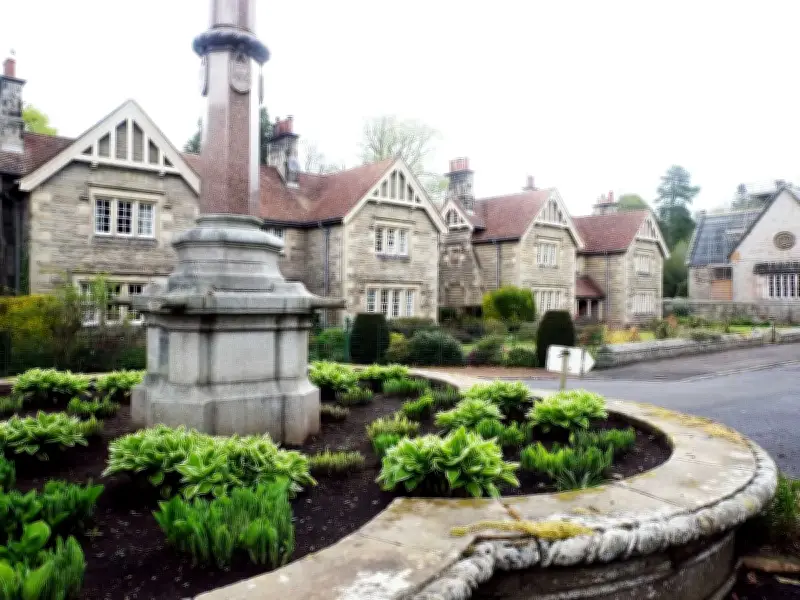
Ford, a picturesque village in Northumberland's River Till valley just a few miles south of the Scottish border, offers a blend of Victorian model village charm, working heritage sites, and outdoor activities.
A Village with a Rich History
The small civil parish traces its origins back to the Bronze Age and evolved into an estate village under Louisa Anne, the Marchioness of Waterford, who inherited the estate from her husband in 1859.
The marchioness transformed the village by commissioning newly built cottages for all her tenants. Perhaps the most interesting attraction is the village school, which operated until 1956 and is now a hall where visitors can view unique Pre-Raphaelite biblical murals painted over 21 years by Louisa herself, using local villagers as models.
Heritage and Local Delights
A day in Ford should include a visit to St Michael and All Angels Church, the 12th-century parish church housing the Flodden Ecomuseum exhibits and Lady Waterford's tomb.
For food and drink, visitors can enjoy cream teas and lunches at The Lavender Tearooms inside Etal's historic post office, sample local craft beer at Cheviot Brewery & Tap, or try craft ciders, local wine, and traditional fruit juices at the Old Chapel Cidery.
Exploring continues at Horseshoe Forge, a former blacksmith's forge now a shop inside a stone cottage, distinguished by its horseshoe-shaped door. Visitors can also browse unique vintage items at Old Forge Antiques, pick up handmade local pottery at Ravn Clay, and finish at the village's only traditional pub, the Black Bull.
Attractions Beyond the Village
Outside Ford, visitors can ride England's most northerly narrow-gauge steam and diesel train on a 4-mile scenic route between Heatherslaw and Etal. In Heatherslaw, Northumberland's only working 19th-century water-powered corn mill awaits. Nearby are the ruins of Etal Castle, a 14th-century border fortress managed by English Heritage.
Outdoor enthusiasts can follow the scenic Riverside Walk along the River Till or take the trail connecting Ford, Heatherslaw, and Etal. Families can try trout fishing or canoeing on the River Till, see history at the 1513 Flodden Field monument and visitor site, and explore the 17th-century coal mining past of the area via a quiet lowland peat bog.
To reach Ford, drive a little over an hour from Newcastle, or take a 45-minute train followed by 25 minutes by taxi or bus.