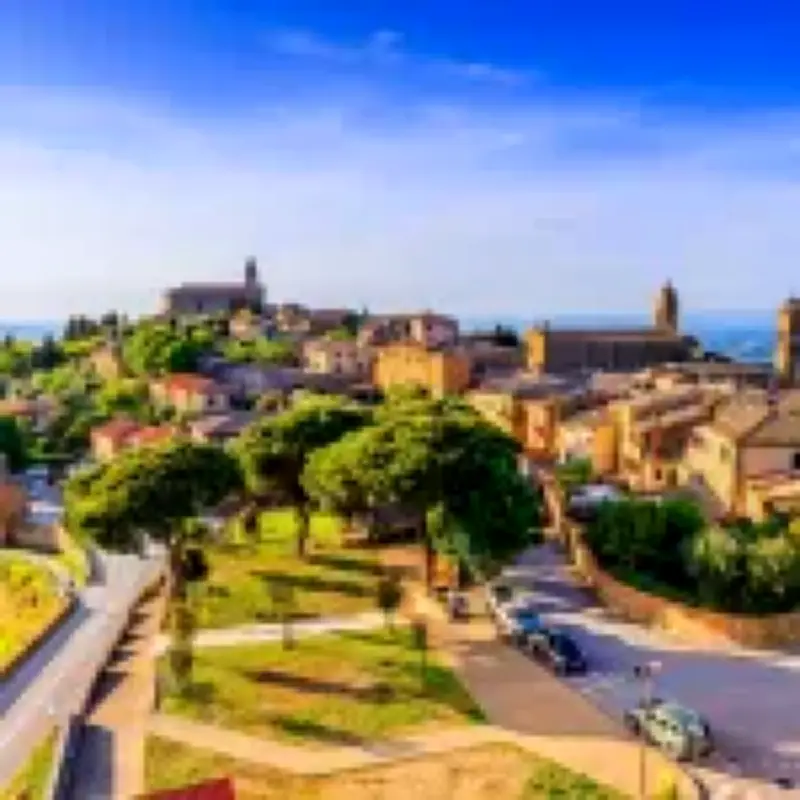
New data from GetYourGuide reveals that 82% of Brits would now travel specifically for regional food experiences, placing culinary exploration ahead of cultural and historical sightseeing. The trend, coined 'biteseeing,' marks a shift where destination food has overtaken landmarks as the most popular activity for trip planning.
Food Experience Bookings Surge
Booking behaviour reflects this appetite for food-led travel, with food experience bookings growing 47% year on year, compared with 16% for cultural and historical sites. Additionally, three-quarters of tourists now qualify as culinary travellers, according to The 2026 Food Travel Monitor, which rates the importance of food and drink at an all-time high of 8.2 out of 10.
Laida Nowell, co-founder of Croatian Villa Holidays, says food is the truest way to experience a destination, as it cannot be separated from the people, land and seasons behind it. She tells Metro, 'When you eat and drink what is grown a few hundred metres from your table, you start to understand what the landscape gives and what the people who farm it have chosen to do with it.'
Authenticity as the New Luxury
Christy Palma, a licensed tour leader, culinary guide, certified olive oil sommelier, and founder of Tuscany Flavor, explains that 'authenticity is becoming the new luxury.' She says, 'Travellers are increasingly looking for genuine experiences that are rooted in a place and its traditions, rather than ones that feel commercial, touristy, or easily accessed.'
As food becomes more industrialised and globally transported, Palma notes a greater appreciation for local, seasonal produce. 'They don't just want to know where their food comes from but from who and why it is special.'
Connecting with Place and Culture
Food has evolved from simple eating into an experience itself. Travellers now seek truffle hunting with the hunter and his dog or hands-on olive oil harvests on family farms. GetYourGuide's research cites truffles and olives as two of 'biteseeing's' most popular ingredients, with 47% of Brits willing to travel for truffles and 50% for olives.
Laida recommends Istria in Croatia for olive oil tourism, noting, 'The Romans valued the oil from this peninsula, and family estates still press it today. You can walk through the grove in the morning, watch the olives pressed and taste the oil that afternoon, still green and peppery.' Palma points to Tuscany, saying 'once travellers taste the fresh locally produced olive oil, they have a revelation.'
Why the Trend Is Growing Now
Michael O'Regan, tourism researcher at Glasgow Caledonian University, tells Metro that food and wine tourism has been established for decades, but the UK is now catching up. 'It's part of the experience economy. Travellers increasingly want to take part rather than just look,' he says. 'A landmark can be photographed in a few seconds, but food has to be tasted, shared and often learned. Social media rewards that, and after the pandemic people value travel that feels personal and local.'
Marcelle Hoff, co-founder of Expressions Holidays, has noticed increased interest in food-related experiences, even among beach holiday clients. 'Truffle hunting in Piemonte, for example, is increasingly popular, particularly when combined with private guided visits to wine estates.' O'Regan adds that for most travellers, food adds to sights rather than replacing them, potentially making landmarks more engaging with better food offerings.