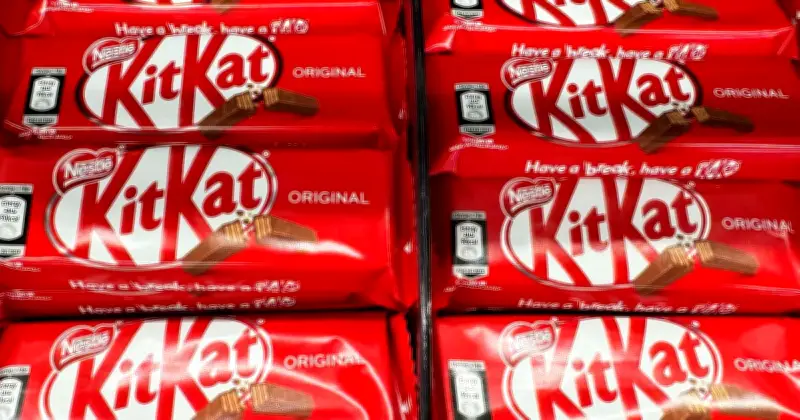
Nestlé has reported an estimated £166 million in earned media value from a marketing campaign sparked by the theft of more than 400,000 KitKat bars, equivalent to 12 tonnes of chocolate. The incident, which could have caused a public relations crisis, instead became a viral success for the Swiss food giant.
The Theft and Initial Response
In late March, staff at Nestlé's headquarters in Vevey, Switzerland, learned that a truck transporting KitKat bars from a factory in central Italy to Poland had been stolen. The theft initially became a source of office humour, according to Mélanie Brinbaum, Nestlé's European head of marketing and consumer communications.
Speaking to Fortune, Brinbaum said a colleague jokingly suggested making the story public. The idea was quickly escalated to Nestlé's global KitKat brand team, and agency partner VML was given just 24 hours to develop a campaign. “We needed to be super reactive, otherwise we'd miss the moment,” Brinbaum said.
Public Engagement and Tracker Launch
Nestlé publicly confirmed the theft on social media with a humorous post on X: “We've always encouraged people to have a break with KitKat. But it seems thieves have taken the message too literally and made a break with more than 12 tons of our chocolate.” The post garnered 393,000 likes overnight, becoming the most-liked post ever on the account.
Nestlé and VML then launched a stolen KitKat tracker, allowing customers to enter the eight-digit batch code on their chocolate wrapper to check if it came from the missing shipment. Over 2.2 million people interacted with the tracker, and KitKat's daily social video views surged from around one million to 29 million. According to VML, three suspicious batch codes were identified, with one lead becoming part of an active police investigation.
Earned Media Value and Industry Context
Within 10 days, Nestlé estimated the campaign generated publicity worth about £166 million in traditional advertising costs. Brinbaum acknowledged that such success is rare for campaigns built around unexpected moments. “Most don't,” she said, adding that “trying to force virality tends to backfire.”
Brinbaum noted that raising awareness of cargo theft, a growing challenge for European manufacturers and logistics firms, also influenced the decision to go public. Although no one was injured in the robbery, the incident highlighted a significant industry issue.
Marketing Strategy and Cultural Change
Brinbaum attributed the campaign's success to her team's ability to respond quickly without lengthy approvals. She said she left an earlier role “because my ideas weren't valued and I'm determined not to recreate that frustration for my own team.” She encourages staff to move fast, replacing traditional creative briefs with short pitches and using a “go or no-go” approach to assess ideas before significant investment.
Concepts that pass the test are handed to small “commando teams” operating outside Nestlé's usual corporate structure, enabling execution within days. Brinbaum said the KitKat campaign reflects a wider cultural change she promotes, centered on the idea of “kill mediocrity.” She argues that large brands can become complacent, but the theft demonstrated that even a 90-year-old brand within a major food company can react quickly to unexpected events.
Brinbaum believes the campaign offers a glimpse of how established consumer brands may need to operate in the future: responding at speed, showing self-awareness, and embracing opportunities when they arise.