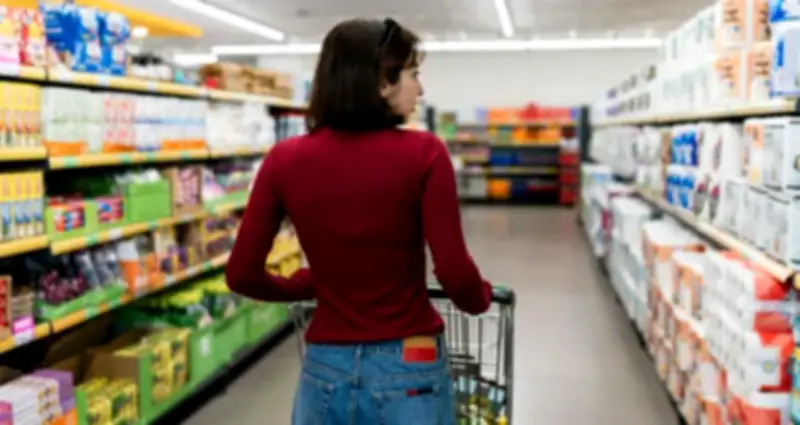
Take-home sales at UK grocers increased by 2.2% in the four weeks to 1 November 2026 compared with a year ago, according to the latest data from Worldpanel by Numerator. The rise came as shoppers followed government advice to stock up on essential supplies, but without the panic buying seen in previous crises.
Like-for-like grocery price inflation remains relatively subdued but rose slightly to 2.6%, up from 2.5% in the previous four weeks.
Inflation Trend and Household Budgets
Fraser McKevitt, head of retail and consumer insight at Worldpanel by Numerator, said: “Grocery price inflation continued to increase after slowing over the summer. While prices are rising at a slower rate than at the beginning of the year, the direction of travel has changed.
“Household budgets have already taken a hit after the latest increase to the energy price cap arrived with the cold weather in October, and shoppers will be keeping a close eye on prices at the tills this winter.”
Sales Surge After 'Be Ready' Campaign
Sales of essential supplies jumped in the ten days from 22 October after the launch of the government’s ‘Be Ready’ public awareness campaign, which encourages households to prepare for up to three days in the event of disruption to essential services.
In the ten days after the campaign was launched, sales of hand sanitiser increased by 83% compared to the corresponding period last year, with sales of bottled water (+67%) and tinned and jarred goods (+37%) also rising. The number of people buying tinned meat each day after the launch of the campaign rose by 43%, equivalent to an extra 400,000 shoppers a day, yet the typical amount bought remained at around 500g in terms of pack size.
McKevitt added: “Shoppers clearly took notice of the ‘Be Ready’ campaign, but this wasn’t panic buying, with less than a third of households buying bottled water in October.
“Growth came from more people adding the recommended items on the government’s checklist to their weekly shop, not from shoppers piling their trolleys high, which is very much in line with what the government wanted households to do.”
Halloween Purchases and Seasonal Trends
Over the month of October, 3.3 million households purchased a pumpkin, with the number sold up 10% year on year. The average price paid for a pumpkin stood at £1.20, 12% lower than last year, providing some small but welcome relief for shoppers looking to celebrate Halloween.
Tubs of sugar confectionery were the standout ‘trick or treat’ performer, with sales up by 28% compared to last year.