
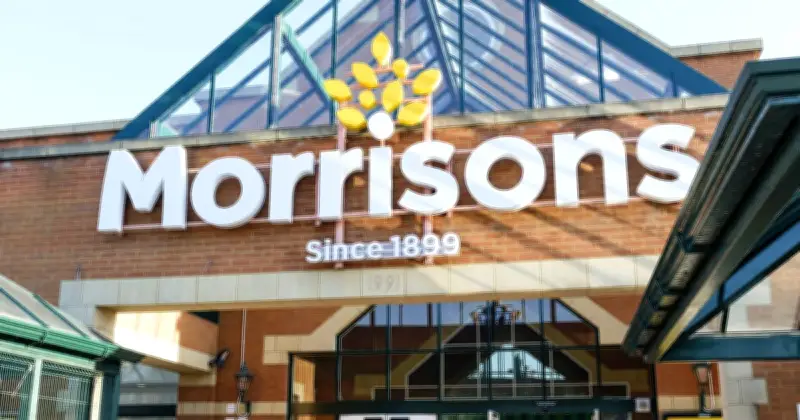
A Morrisons Daily store in Reading, which also operates the local Post Office, will close this Friday (August 14), leaving thousands of shoppers without a nearby Post Office.
The store on Wensley Road in the Coley estate has served the community for decades, with its Post Office presence dating back to at least the year 2000. The precinct also includes Coley Park pharmacy, JFC Fish and Chips, and the Coley Park Off Licence.
Community Impact
Councillor Richard Walkem, representing Coley on Reading Council, expressed frustration over the closure. He said: “There is a large community here who now have no quick and easy access to a Post Office. The sign on the door says that the nearest branches will be the town centre and Oxford Road. It is really frustrating and unhelpful that citizens in the UK are beholden to national and multinational companies who provide essential services.”
Walkem added: “I feel really angry for people in Coley who rely on The Post Office for access to money, and the options it gives to those who do not want to pay vehicle tax or buy their stamps online. This, on average, changes the lives of those who are on benefits, disabled or retired more than others. Since some of these people will now have to pay for transport or spend time on transport to get to their nearest Post Office, it is in effect a tax on these people.”
Alternative Locations
A notice on the door of the store states that the nearest Morrisons Daily is at 24 Coronation Square on Southcote Lane. Post offices remain at Broad Street Mall, TG Jones in Broad Street, and 270-274 Oxford Road.
An advert inviting a new operator to take over the service was published on the Post Office website and has since been removed following an expression of interest.
Wider Closures
The closure follows an announcement that 100 Morrisons Daily stores will close across England, Wales, and Scotland over the coming months, putting hundreds of jobs at risk. The affected branches are former McColl's stores that failed to become profitable. The chain cited higher employer National Insurance contributions, increased minimum wage requirements, packaging recycling fees, and broader retail inflation as reasons for the closures.




