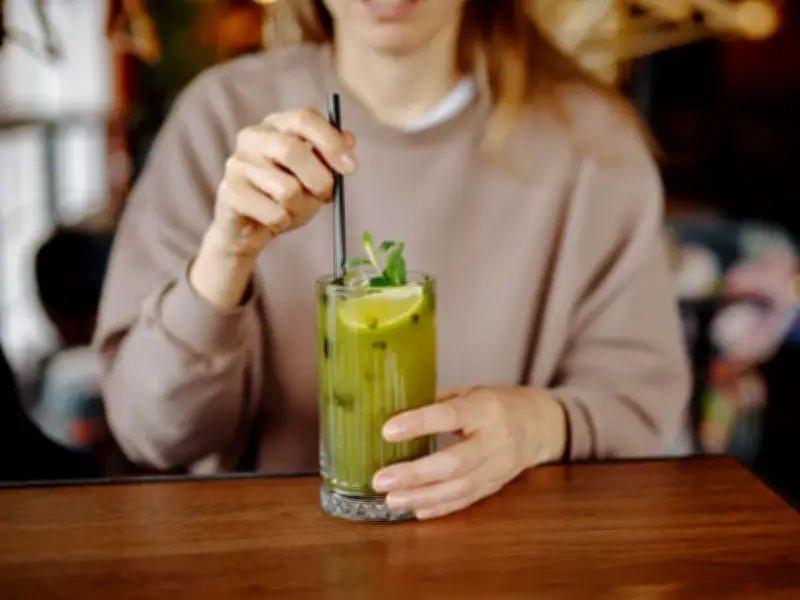
Matcha prices are set to surge by next summer, according to a café owner, as a combination of rising demand, US tariffs on Japan, heatwaves, and higher energy costs push up the cost of the popular green tea drink.
Ben Blades, founder of Blend On The Hill, an independent coffee shop and brunch café on Richmond Hill in Bournemouth, told the BBC that customers should expect to pay more for matcha in the coming months. He said the price of a glass of matcha could rise to potentially six pounds by summer next year.
Cost pressures mount
Blades explained that his café has already raised prices for other items. "We were selling a flat white at three pounds. We're now at four pounds. Coffee's going up, takeaway cups increasing, matcha, baked goods," he said.
He added: "Coming into winter, I got my heating on full whack, and that bill is only about to increase. Getting the matcha over from Japan to the UK and fuel costs, it all has a knock-on effect to the price you pay. You can't keep just increasing and increasing your prices, because you've got to keep the customers coming through the door."
Blades noted that his café currently charges £5.50 for a white chocolate cold foam matcha, but that price will have to increase. "Labour costs have just gone up. I'm going to have to justify that cost somewhere else. I reckon you'll see matcha rising to potentially six pounds a glass by summer next year," he said.
Why matcha is getting more expensive
The price surge is driven by several factors. Matcha's soaring popularity has been linked with Japan's post-pandemic tourism boom, as well as café culture and social media trends. US tariffs on Japan have also contributed to rising costs. Heatwaves have hit crops, and energy cost spikes from the wars in Ukraine and Iran have affected production.
Energy bills are also predicted to increase significantly in January, which means hot drinks in general are costing more.
What is matcha?
Matcha is made from green tea leaves called tencha, which are kept under shade for weeks while they are still growing. This allows the plant to develop extra chloroplasts so it can collect more light. The additional chlorophyll gives matcha its signature bright green colouring and earthy taste.
The leaves are then picked, dried, and ground up to produce the matcha powder used today. Because the whole leaf is ingested, matcha generally has more caffeine, antioxidants, and a bolder flavour than steeped green tea. Chinese matcha, which is generally cheaper than tea from Japan, is also getting more expensive.
Matcha contains much higher levels of caffeine than other forms of green tea, generally settling out at around 19-44mg of caffeine per gram. A typical serving of matcha powder is around 2 grams, meaning a total intake of about 38-88mg of caffeine on average. It is also rich in antioxidants and contains the L-theanine amino acid, which has been linked with improved concentration and alertness, as well as some vitamin C. However, too much matcha has been linked to issues like anxiety or insomnia due to its caffeine content, while some drinks also have large amounts of added fats and sugars.