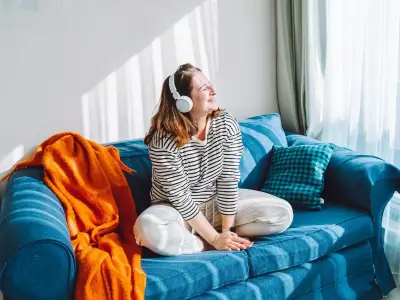
Lidl has cut the price of the Silentnight Luxury Heated Throw to £24.99 as part of its forthcoming "biggest ever Black Friday sale," offering shoppers a £20 saving on the recommended retail price of £44.99. The 100W fleece blanket costs about 2.6p per hour to run, aligning with Martin Lewis' Money Saving Expert (MSE) guidance on low-energy winter heating.
The sale will reach the Middle Aisle of stores across the UK from Thursday, November 12. With temperatures falling and energy costs a pressing concern for many households, the "super-soft" fleece throw presents a practical alternative to turning up the central heating.
Key features of the Silentnight Luxury Heated Throw
Lidl describes the product as a "Heated fleece throw from Silentnight for ultimate luxury." The retailer says the "super soft fleece is great for taking the chill away - stay cosy and warm whilst curling up on the sofa or in bed."
- Fast heat-up and nine heat settings
- Overheat safety protection and auto shut-off after two hours
- Machine-washable - "keep your blanket feeling fresh and hygienic", Lidl says
- Power consumption: 100W
- Size: 120 x 160cm
- Three-year warranty
Martin Lewis and MSE on electric blankets
Financial experts such as Martin Lewis and his team at Money Saving Expert (MSE) frequently advise consumers to "heat the human, not the home" - a phrase coined by Lewis himself - encouraging people to use targeted, low-energy devices to stay warm rather than heating empty rooms with central heating. Lidl's heated throw does precisely that by keeping warmth concentrated where it is needed most.
On the MSE website, the team highlighted electric blankets as a crucial element of their winter cost-of-living strategy. While Lewis and his team uphold a strict policy of never endorsing specific commercial brands, Lewis has repeatedly championed the technology behind electric blankets as an affordable solution for cold weather.
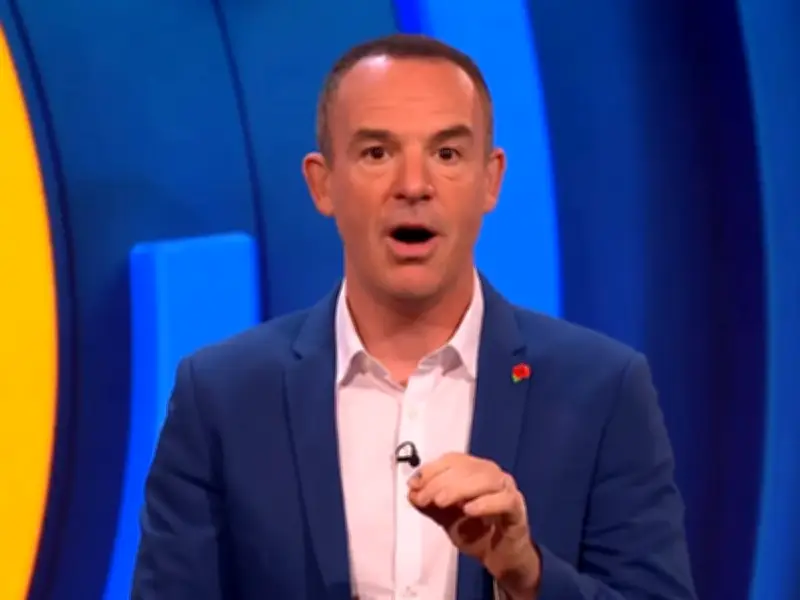
The MSE team worked out that a typical 100W electric blanket costs merely 2.6p per hour to operate, which works out at roughly £1.29 per week if used for seven hours daily. Discussing the MSE's "Heat the human, not the home" guide, Martin Lewis said: "We're trying to help provide some options and information for those that may need to drastically cut down on energy usage due to financial desperation and some help for others who may want to do it out of a commitment to green issues".
How the throw cuts bills while keeping you warm
With a power consumption of 100W, Lidl's heated throw costs approximately 2.6p per hour to run on its highest setting, meaning a person could use it for eight hours for just 21p. The blanket includes a built-in timer that automatically switches off after two hours to avoid unnecessary electricity consumption, and it is fully machine-washable.
Reducing a home's thermostat by just 1°C can slash around 10% off an annual gas bill, so opting for a blanket rather than the boiler can result in household savings. The deal is available in Lidl stores nationwide while stocks last.
MSE also highlights safety considerations, advising shoppers to purchase blankets fitted with built-in timers and overheat protection. MSE says: "Check fire and safety advice before using any of the electrical appliances and gadgets... For example, the London Fire Brigade has advice on using electric blankets, such as not turning them on when wet and not buying second-hand."
Why keeping your home warm still matters
MSE urges households not to leave their homes entirely unheated during freezing temperatures, as allowing a property to remain too cold for an extended period can result in frozen pipes, dampness, or structural mould. The NHS recommends heating your home to a minimum of 18°C (65°F) throughout the winter, stating this is essential for safeguarding wellbeing, as indoor temperatures below this level can heighten the risk of respiratory conditions, heart attacks, and strokes.
While healthy and active adults may safely maintain their homes at a slightly lower temperature provided they wear warm clothing, the 18°C minimum is regarded as crucial for vulnerable people, those aged over 65, and people with existing medical conditions. For families with young babies, health guidance suggests a slightly lower temperature range of 16°C to 20°C in nurseries and sleeping areas to minimise the risk of Sudden Infant Death Syndrome (SIDS).