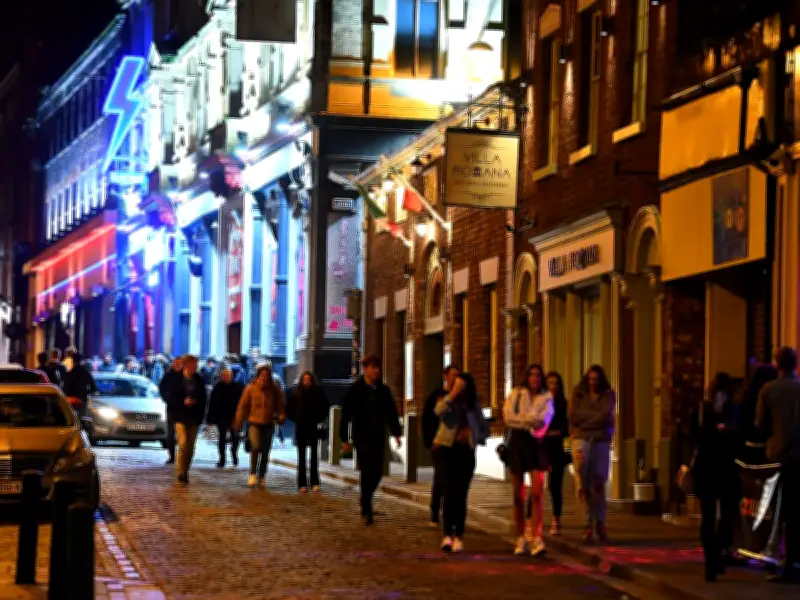
Planned restrictions on licensing hours for pubs, bars and clubs in Liverpool could lead to "the slow death" of the city's night-time economy, hospitality leaders have warned. Liverpool City Council is consulting on changes that would restrict when businesses can sell alcohol in and out of the city centre.
Under the proposals, new premises applying to sell alcohol for consumption on site in much of the city centre would be expected to stop serving by midnight on any day of the week. Outside the city centre, an 11pm cut-off would be expected.
Exemptions and Guiding Principles
Five areas of the city centre would be offered greater flexibility for later opening hours. These include Concert Square and Wolstenholme Square, including Slater Street, Wood Street and Seel Street; Mathew Street and The Cavern Quarter; Victoria Street and Stanley Street; The Fabric District area of London Road; and the Jamaica Street and Greenland Street junction in the Baltic triangle, including the surrounding area of Stanhope Street, east of Grafton Street.
The council insists the proposed hours would act as "guiding principles" rather than hard and fast rules. The idea, it says, is to "strike a balance between supporting Liverpool's internationally renowned evening and night-time economy, while also protecting residents from late night noise and disturbance."
Hospitality Sector Concerns
The measures have alarmed a hospitality sector already under pressure from rising bills, a high tax burden and local issues like extended parking charges in the city centre. Peter Schriewersmann, co-founder and director of the Happy Days Group, co-owner of Hotel Anfield and co-chair of the Liverpool Hospitality Association, said businesses have little faith their views will be listened to.
He said: "The last couple of times Liverpool Council has consulted on things, such as the car parking situation or the late night levy, the results have been overwhelmingly against certain measures but the council has gone ahead and done them anyway. So why would we believe this consultation will be any different?"
He added: "Think about Hope Street, about Hardman Street, about Chinatown. Bit by bit, you are going to kill the night-time economy in these areas and you will centralise the footfall in those few areas."
Risk of 'Long Term Erosion'
John Hughes, chief executive of Liverpool Nightlife CIC, who has spent four decades working in the sector, also expressed concern. He said: "There appears to be insufficient evidence to justify such widespread restrictions or demonstrate why they would improve public safety."
Describing the threat of "long term erosion", he added: "As existing licenses lapse, restrictive policies on new applications could progressively reduce the city's late night capacity, diversity and vibrancy." He said the city should be looking to "manage, protect and grow its night-time economy, not inadvertently engineer its gradual decline."
In setting out its plans, council leaders said it is important to recognise "that different parts of the city have different roles and uses, particularly as more homes are developed in parts of the city centre." They pointed to areas like Castle Street, Dale Street and Bold Street as examples where residential growth and wider regeneration "need to be considered alongside the night-time economy."
Cllr Liam Robinson, leader of the council, said: "Liverpool has a fantastic night-time economy which supports thousands of jobs and is a huge part of what makes the city such an attractive place to live, work and visit. We want to make sure we promote that and encourage late night activity, in the right city centre locations."
He added: "These are proposals, not decisions and it will only apply to new applications. We want residents, businesses and those working across our hospitality and night-time economy to look at them, tell us what they think and help us get the balance right."
The consultation has been running from November 11 and will finish on Wednesday December 23, with a report on the outcome set to be submitted to the city council meeting on January 27 next year.